WORK DRUGS / PHILADELPHIA / EST. 2010
THE LONG WAY TO SMOOTH.
A history of smooth sailing, questionable decisions, and occasionally getting it right.
2010 to the present · A continuing experiment in smooth-fi.
JUMP TO A CHAPTER
2010 — An Accidental Beginning (2010) / 2011 — The Sense of Entitlement Tour (2011) / 2011 — 2012 — The Internet Was Working (2011–2012) / 2013 — International Waters and Other Misadventures (2013) / 2014 — 2018 — Life on the Road (2014–2018) / THE PEOPLE — The Work Drugs Collective / HOLIDAY SPECTACLE — A Very Work Drugs Christmas / 2019 — The Swiss Connection (2019) / 2020 — The End of Days Tour (2020) / 2021 — PRESENT — Still Smooth (2021–Present) / EPILOGUE — Epilogue: A Continuing Experiment in Smooth
CHAPTER 01 / 2010
An Accidental Beginning (2010)
A beginning nobody planned
Work Drugs began in Philadelphia in the fall of 2010 when two friends, Thomas Crystal and Benjamin Louisiana, started putting a handful of songs on the internet.
There was no elaborate business plan, no record-label strategy, and certainly no indication that the project would eventually involve international touring, dozens of recordings, or an alarming number of nautical references.
The idea was considerably simpler: make some music that sounded good.
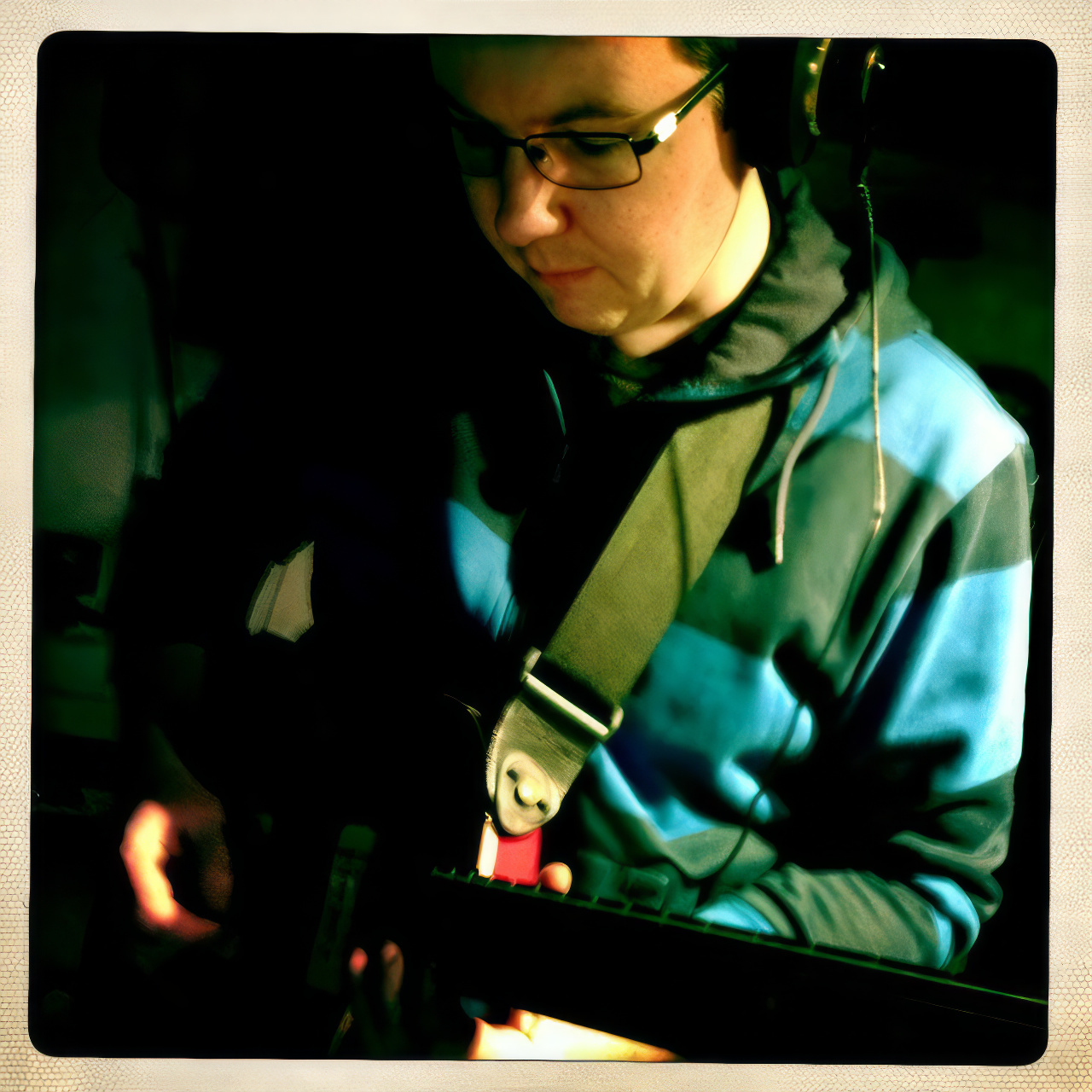
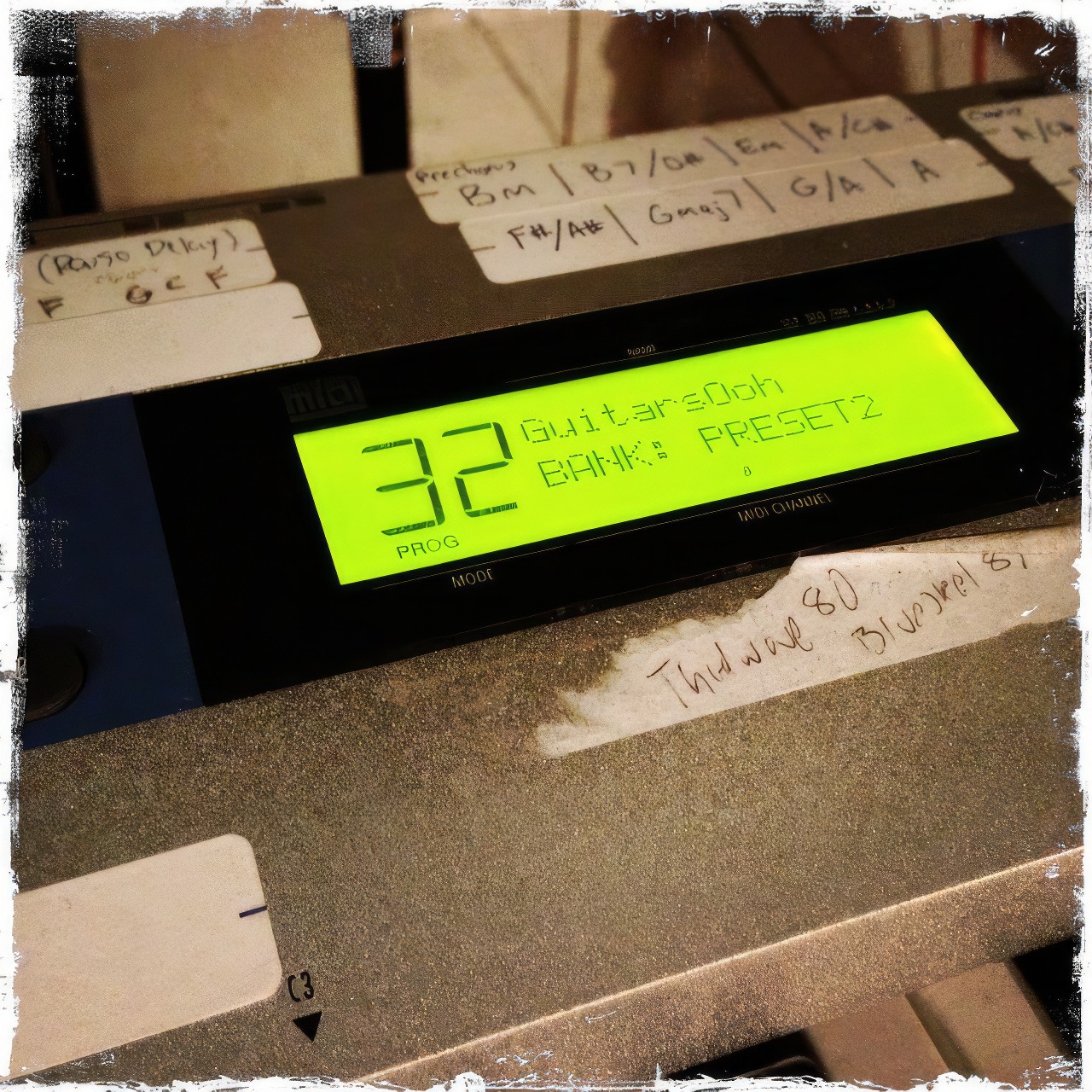
Drawing from the softer corners of late-1970s and early-1980s pop, the duo combined hazy synthesizers, warm melodies, understated vocals, and a particular affection for the bittersweet side of popular music. Somewhere between Steely Dan, Hall & Oates, New Order, and the forgotten treasures of FM radio, they began developing a sound that didn’t comfortably belong to any established genre.
They called it smooth-fi.
The early recordings were dreamy, melodic, and occasionally melancholy, suggesting distant coastlines, fading summers, and romantic situations that probably weren’t going to work out.
And then something rather unexpected happened.
People started listening.
CHAPTER 02 / 2011
The Sense of Entitlement Tour (2011)
Seven songs. A national tour. No live band.
Not long after those first songs appeared online, British indie band Two Door Cinema Club discovered Work Drugs and invited them to join a North American tour.
It was a remarkable opportunity for a project that had barely begun.
Work Drugs didn’t actually have a live band.
There was, however, one fairly significant complication.
Work Drugs didn’t actually have a live band.
Up to that point, Thomas and Benjamin had been making recordings, not preparing for life on the road. Suddenly, the prospect of playing in front of thousands of people presented a number of practical concerns.
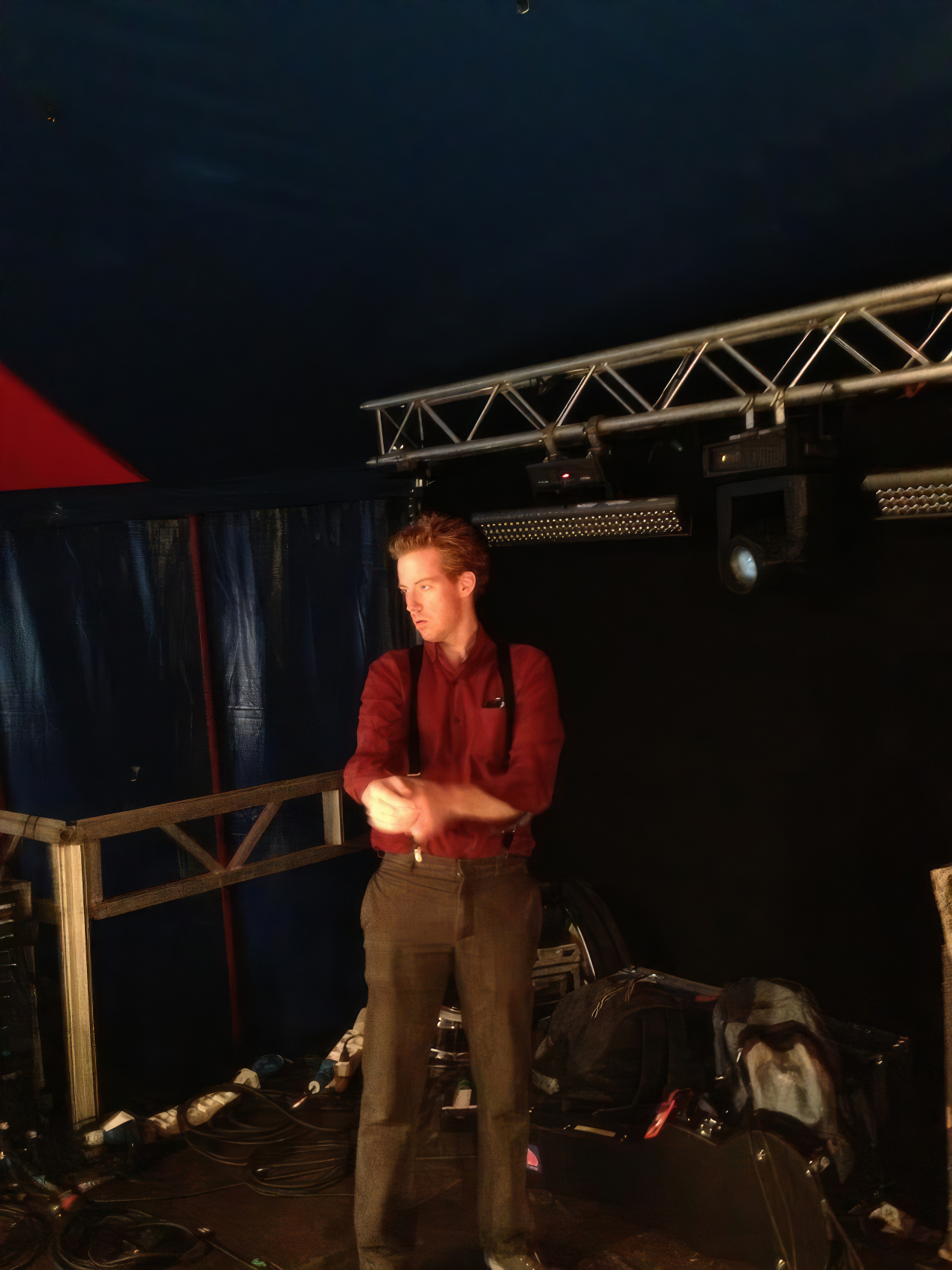
The duo scrambled to assemble a proper group, recruiting bassist Nero “KC” Catalano and drummer Jonas Osterle. Joan Wellfleet joined the inaugural touring adventure, while longtime friend Dan Hewitt of State Capital Records came aboard as tour driver.
Together, the newly assembled operation began the somewhat urgent process of figuring out how to translate the recordings into a live performance.
There was also the matter of having only seven original songs.
The solution was to add a cover of Madonna’s “Borderline” to the set.
Fully aware of just how improbable the whole situation was, the band affectionately dubbed the adventure “The Sense of Entitlement Tour.”
The irony was entirely intentional. They knew perfectly well they had no business being there.
One moment, two friends were uploading songs to the internet. The next, they were traveling across North America with an established international touring act, a freshly assembled rhythm section, seven originals, and Madonna providing the additional material.
It wasn’t exactly the traditional way to start a band.
But it was a pretty good way to start a story.
CHAPTER 03 / 2011 — 2012
The Internet Was Working (2011–2012)
The internet actually worked
The unexpected touring opportunity was only the beginning.
Around the same time, influential radio tastemakers began taking notice of the early Work Drugs recordings.
Bruce Warren at Philadelphia’s WXPN started championing the music, while Chuck P at Los Angeles station KCRW introduced the group to listeners on the West Coast.
International attention soon followed when The Guardian featured Work Drugs in its New Band of the Day series.
For a group that had started by casually posting songs online, the growing attention was both unexpected and encouraging.
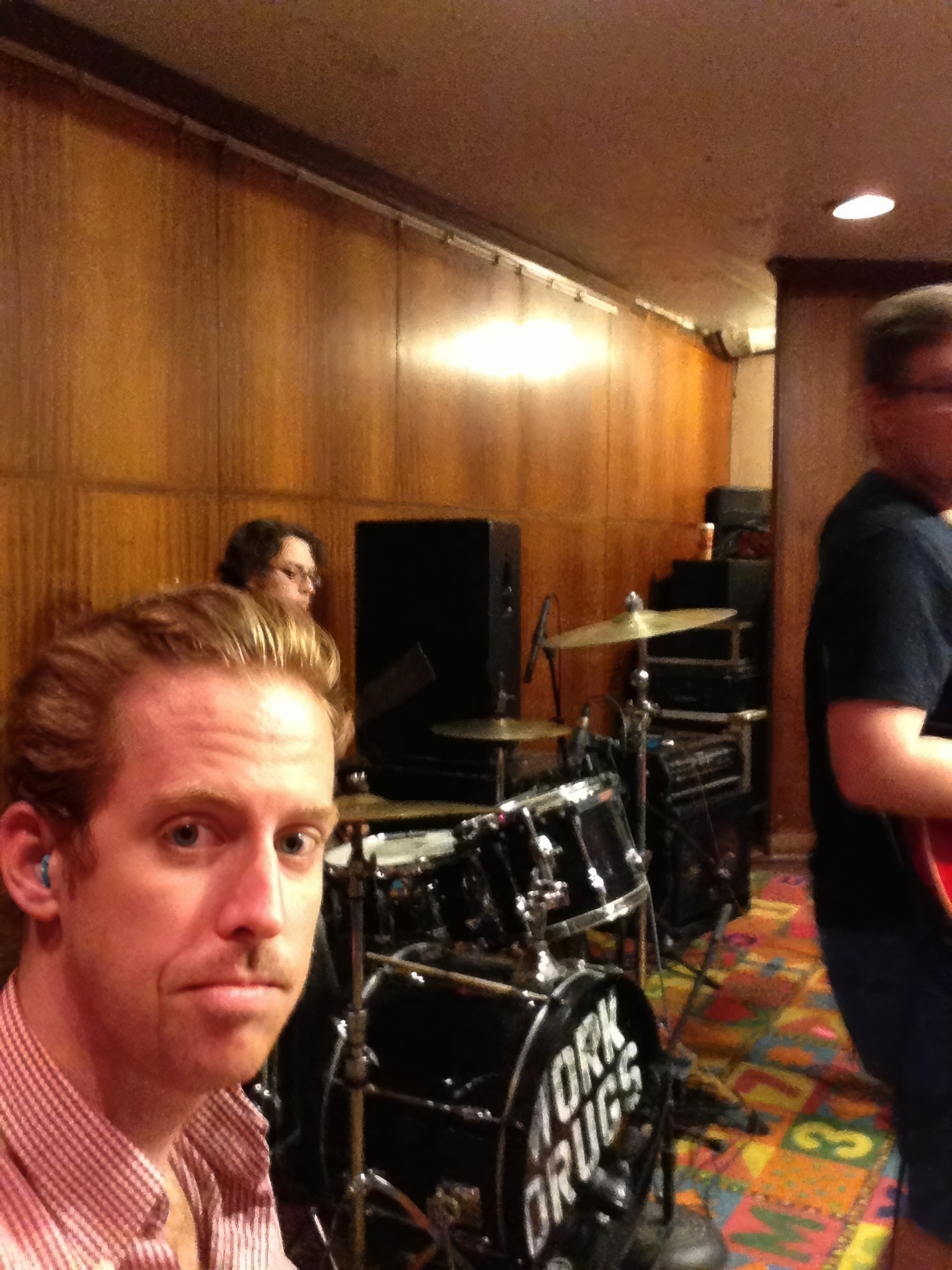
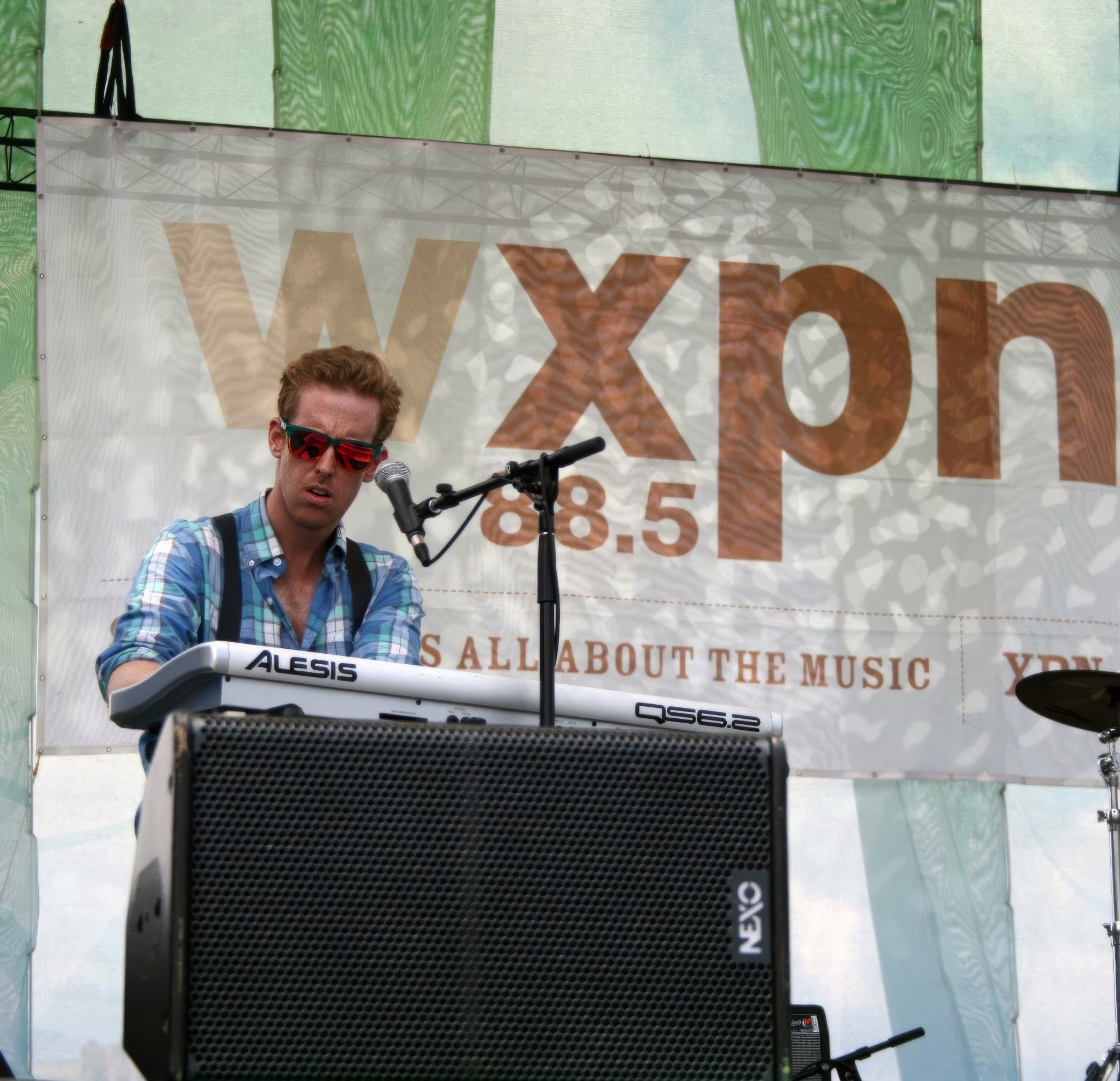
The internet, for one brief and beautiful moment, seemed to be working exactly as advertised.
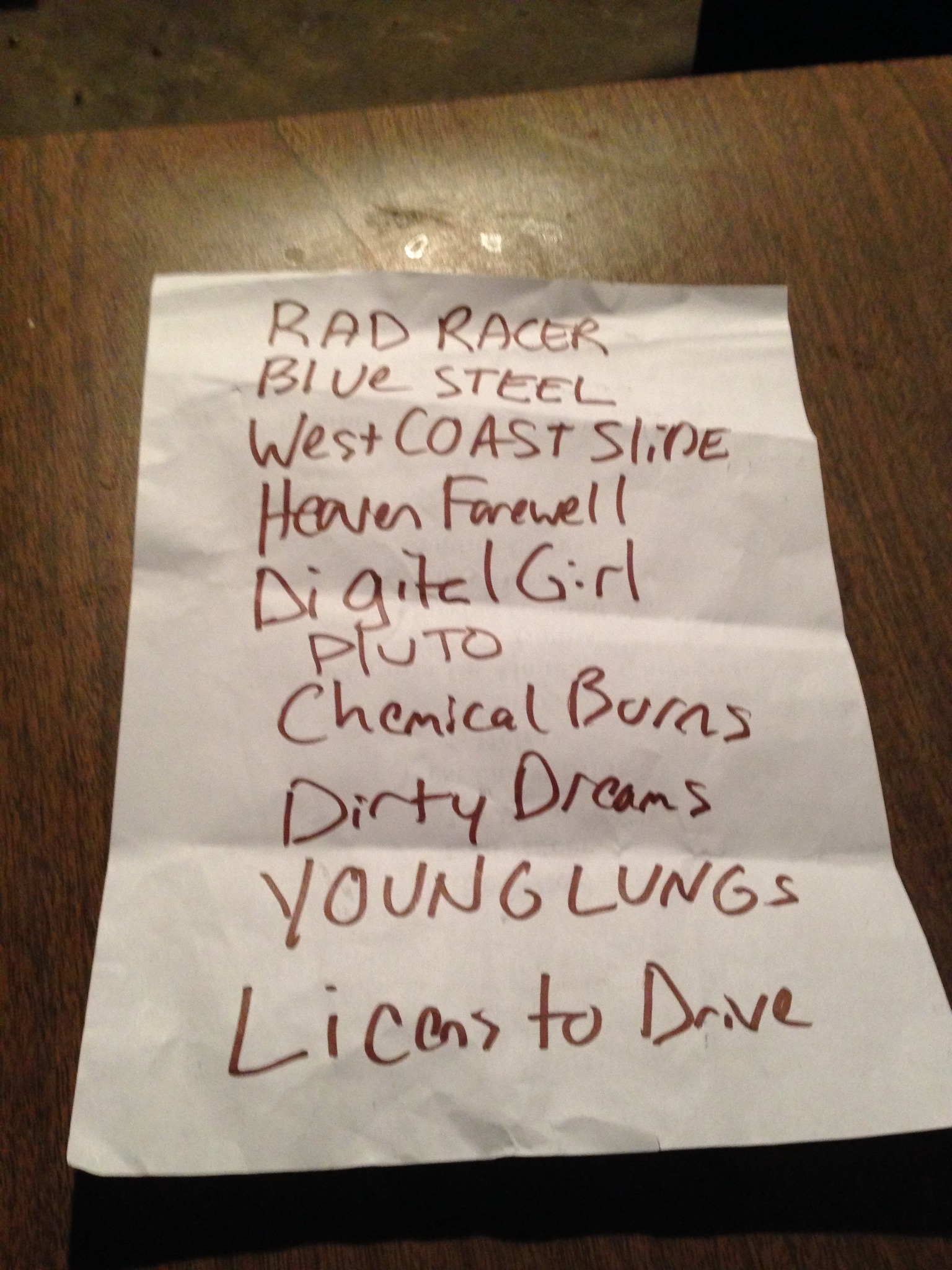
Early recordings such as “Third Wave,” “Rad Racer,” and “Dog Daze” helped establish the band’s distinctive sound, while albums including Summer Blood, Aurora Lies, Absolute Bearing, and Delta expanded the musical landscape.
Work Drugs also became part of the thriving Brooklyn indie scene, playing intimate Williamsburg venues such as Glasslands Gallery and Cameo Gallery.
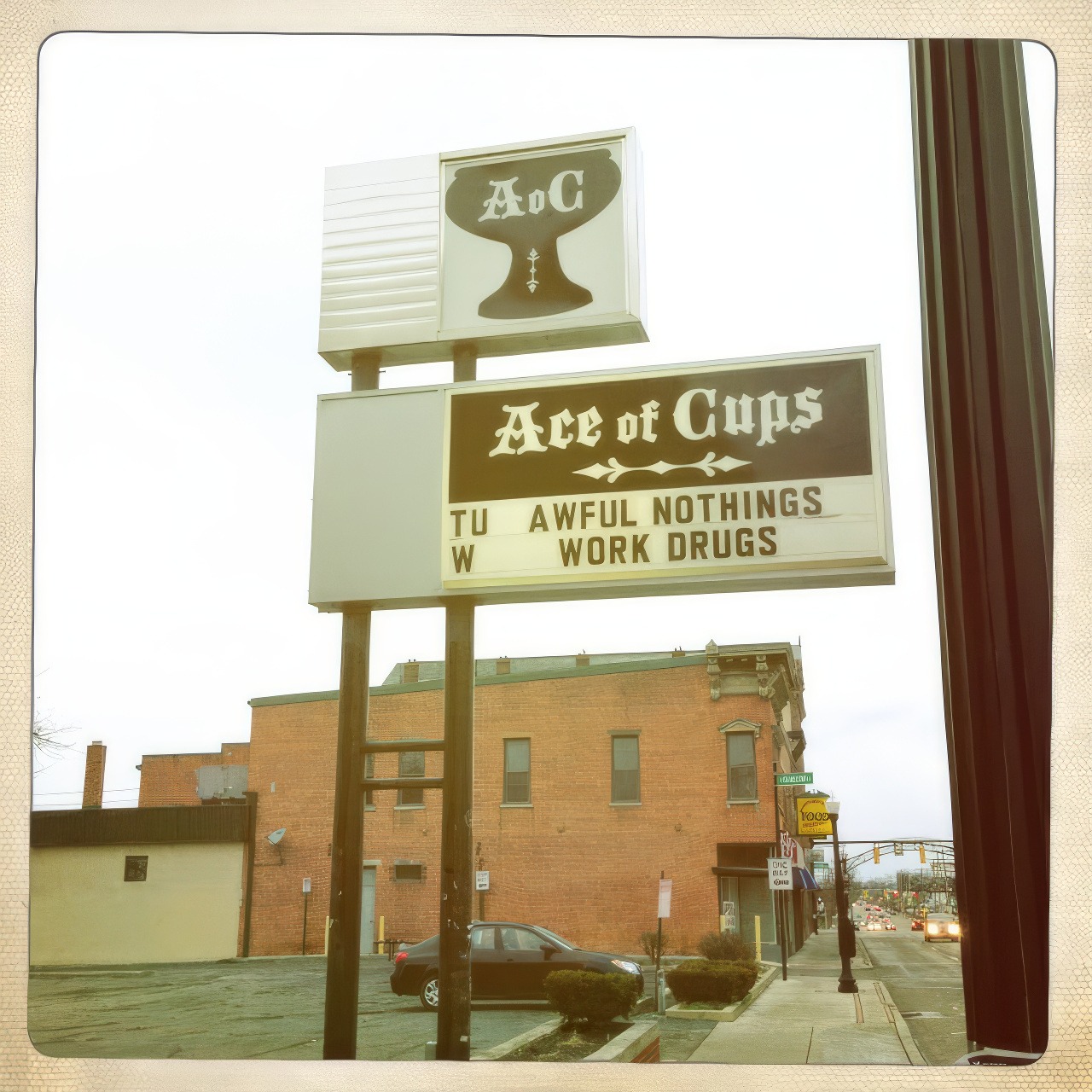
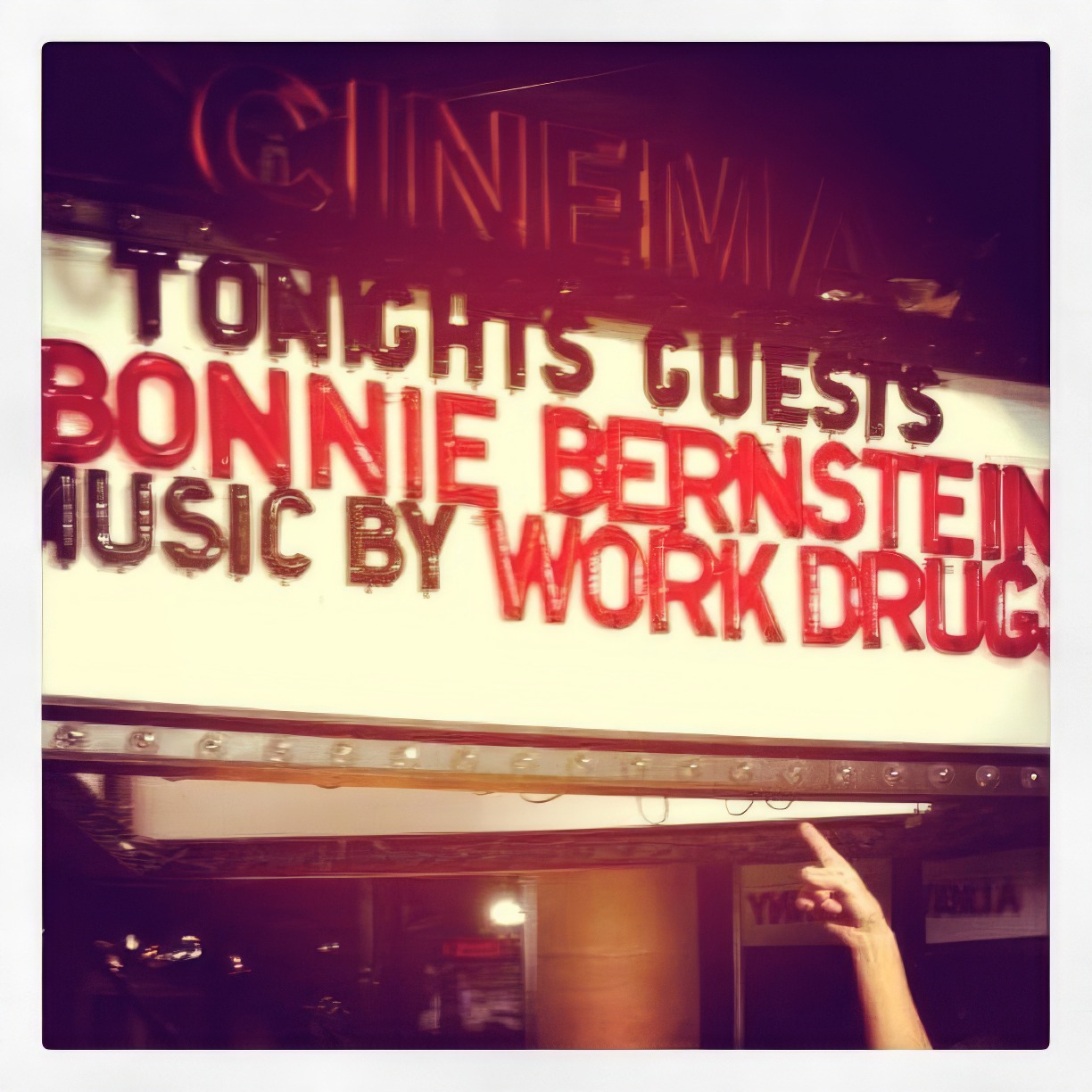
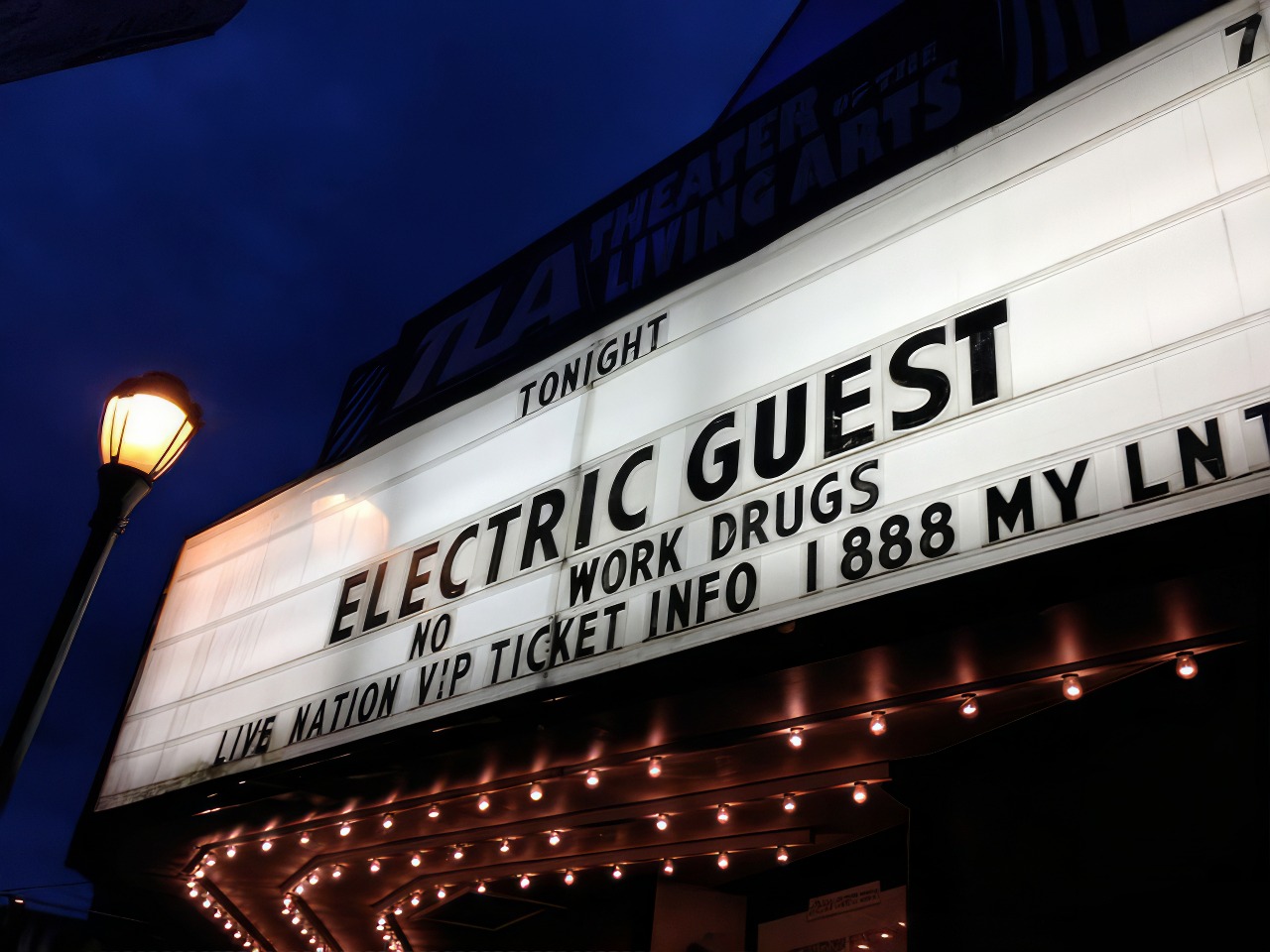
These were the days of small clubs, independent artists, and a musical community that seemed to be inventing new genres every other weekend.
Work Drugs fit comfortably into that world, even if the music occasionally sounded like it had wandered in from a 1982 yacht club.
The touring opportunities continued, including a run with progressive rock favorites Umphrey’s McGee in February 2012.
The pairing was somewhat unconventional, but Work Drugs had never been particularly concerned with musical boundaries.
At Philadelphia’s Electric Factory, the venue marquee proudly announced the opening act as “Drugs Work.”
It wasn’t quite the name the band had chosen, but it did offer a compelling alternative philosophy.
For one evening, Work Drugs had inadvertently become a public service announcement.
CHAPTER 04 / 2013
International Waters and Other Misadventures (2013)
International waters and unusual company
By 2013, Work Drugs had developed a growing catalog, a recognizable sound, and a reasonable understanding of how to perform together.
The adventures, however, were just getting started.
Five days’ notice. One legendary band.
In March, the band opened for BoomBox at The Loft in Lansing, Michigan.
Longtime friend and touring accomplice Dan Hewitt managed to run afoul of venue management and was eventually thrown out.
The precise details have become less important than the enduring lesson: Dan and nightclub management didn’t always share the same interpretation of acceptable behavior.
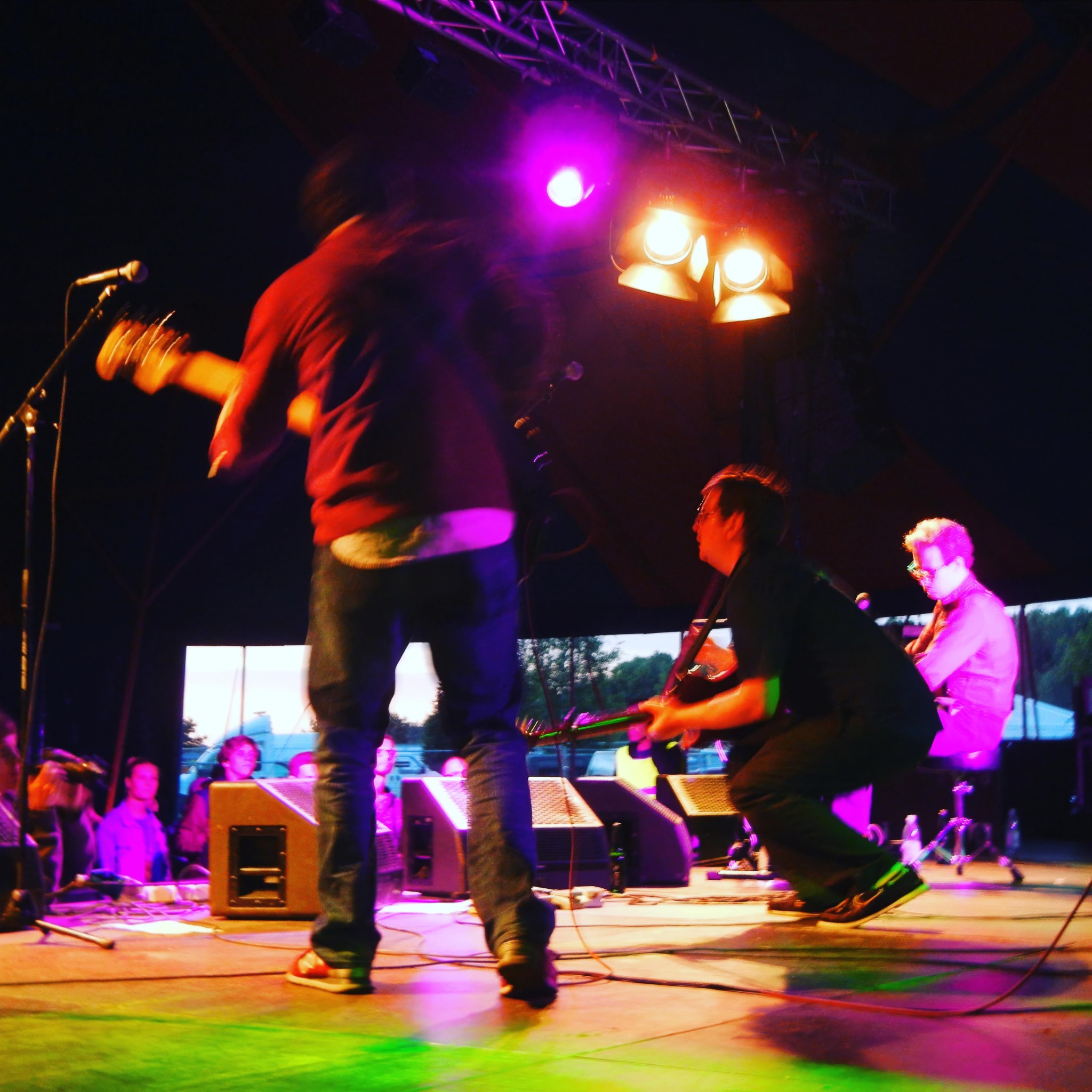
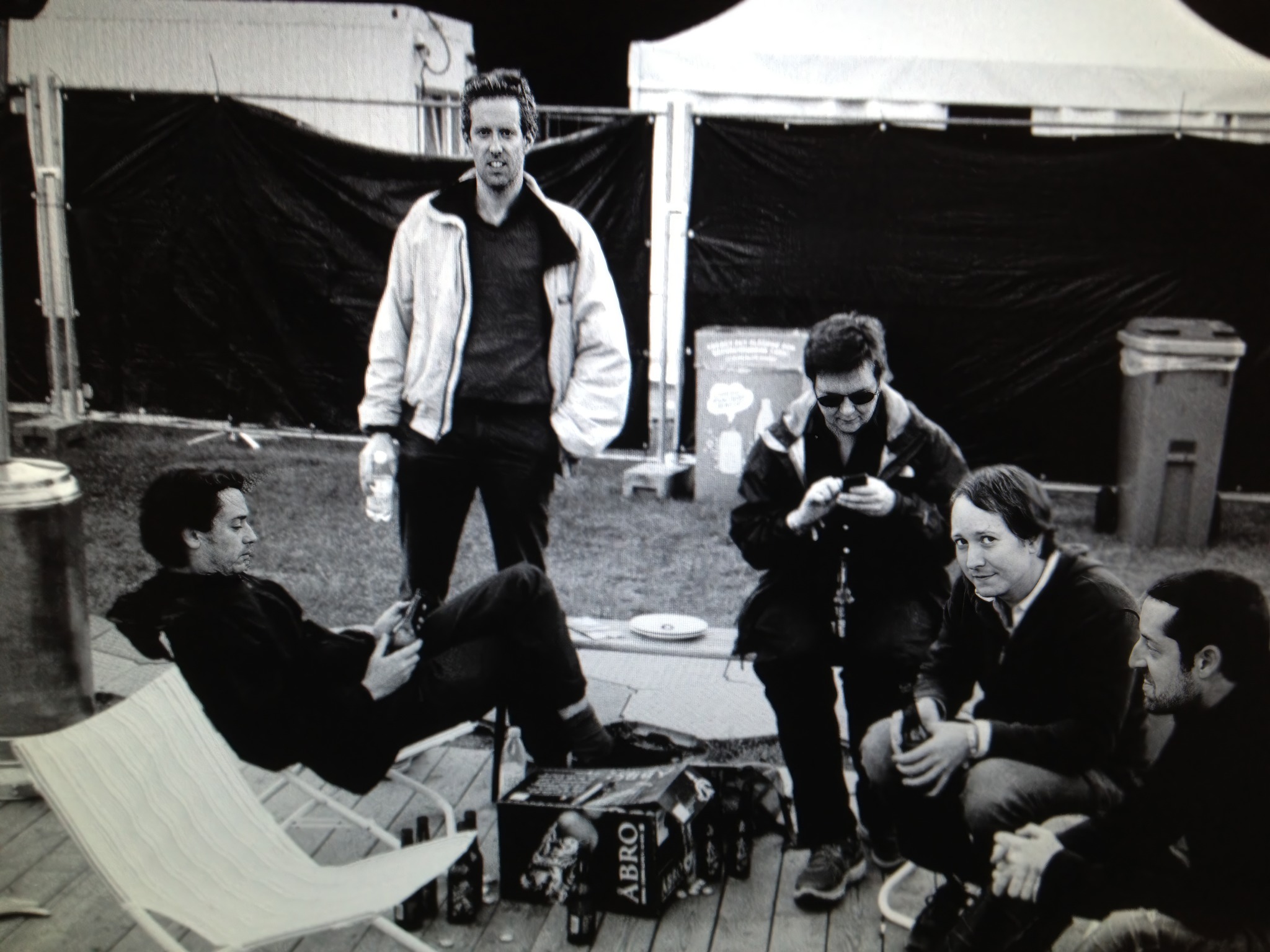
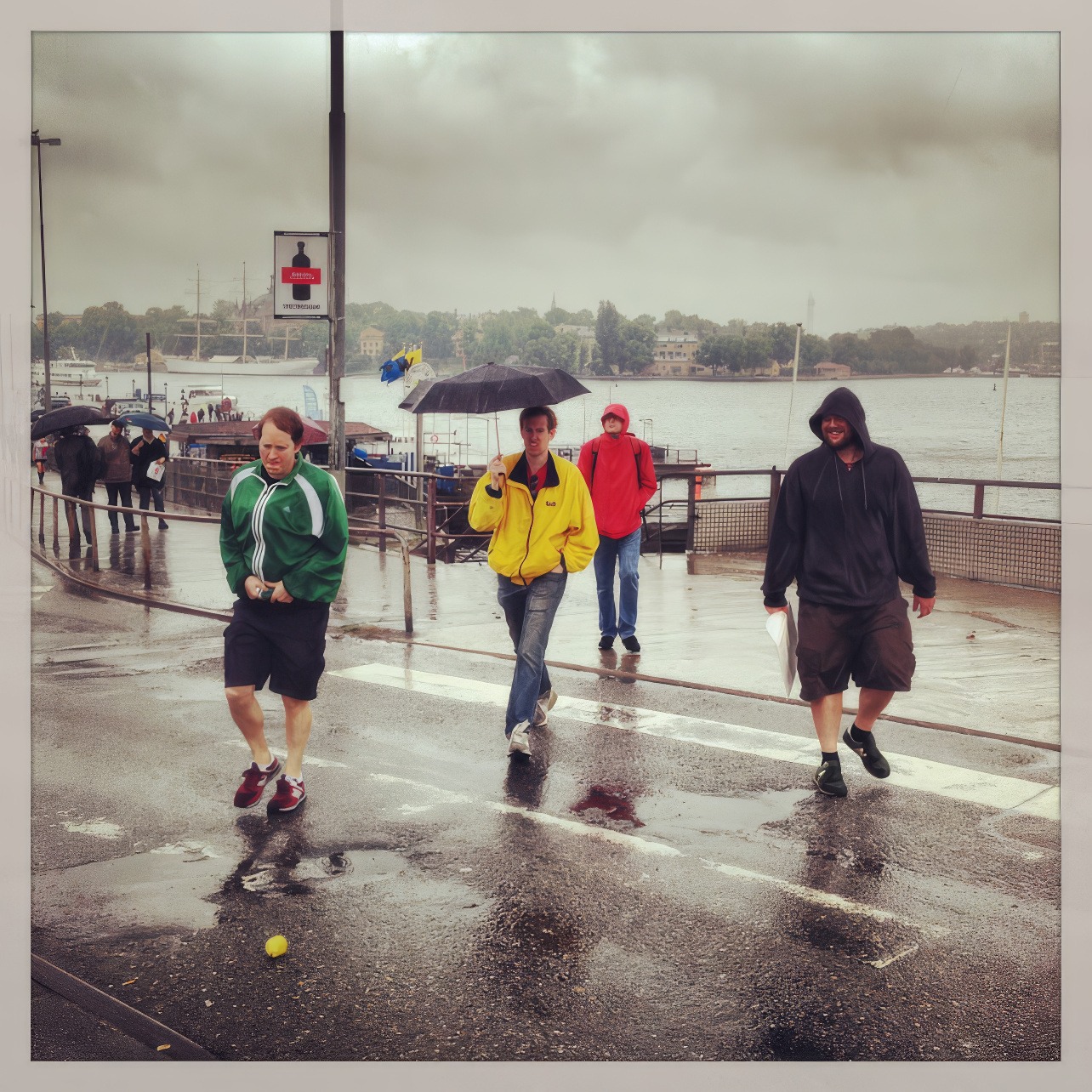
Later that year, Work Drugs traveled to Sweden to perform at the Hultsfred Festival, sharing the festival lineup with an impressive collection of international artists, including Norwegian indie-pop favorites Kings of Convenience.
The pairing made a certain amount of musical sense. Both groups embraced understated songwriting, melodic sophistication, and the notion that music doesn’t necessarily need to shout to make an impression.
The evening eventually migrated to the hotel bar, where Work Drugs and Kings of Convenience tied one on together.
International musical diplomacy was alive and well.
Back in Philadelphia, another unlikely opportunity appeared.
In November 2013, Work Drugs received a last-minute invitation to open for new-wave legends The B-52s at the historic Keswick Theatre.
The band had just five days to prepare.
It was an opportunity too good to pass up, particularly for a group whose musical vocabulary already included vintage synthesizers, eccentric pop arrangements, and a healthy appreciation for musical personalities.
The concert itself was memorable enough, but the evening continued afterward when Work Drugs spent time with Fred Schneider and the rest of The B-52s.
Five days’ notice, one legendary band, and an evening that nobody was particularly eager to end.
Not a bad return on a rather unexpected phone call.
CHAPTER 05 / 2014 — 2018
Life on the Road (2014–2018)
The road has other plans
As the catalog expanded, so did the band’s musical ambitions.
Albums including Insurgents, Runaways, Louisa, Method Acting, and Flaunt the Imperfection found Work Drugs experimenting with increasingly sophisticated arrangements, shimmering guitars, soulful melodies, and an enduring weakness for a well-placed saxophone solo.
The sound grew more expansive, incorporating elements of new wave, quiet storm, blue-eyed soul, soft rock, and sophisticated pop without entirely abandoning the dreamy atmosphere of the earliest recordings.
Meanwhile, the touring adventures continued.
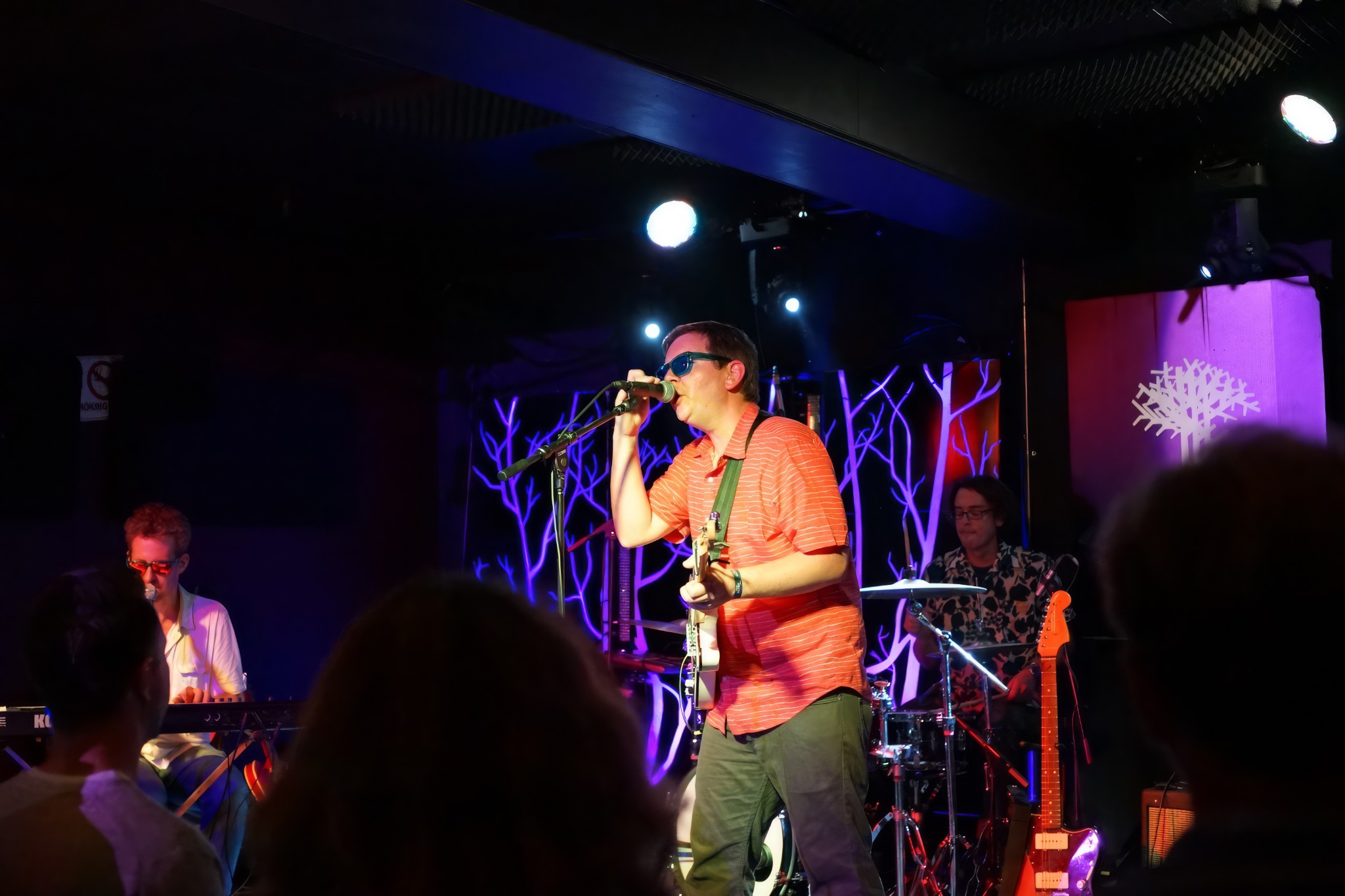
During a performance at The Basement East in Nashville, a group of particularly devoted young fans drove all the way from Georgia specifically to see Work Drugs.
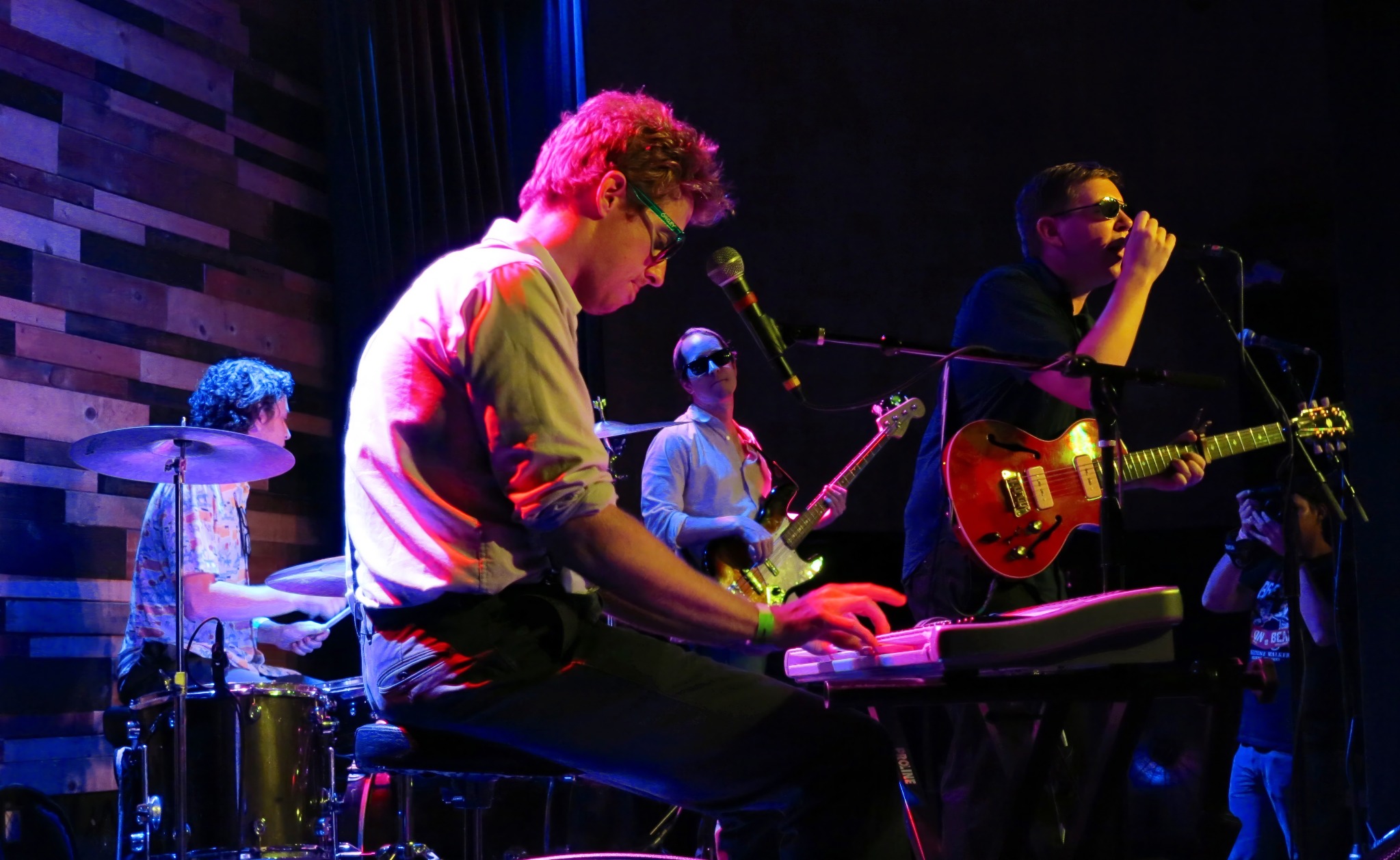
Unfortunately, they weren’t old enough to enter the venue.
Enter Dan Hewitt.
Never one to allow a minor logistical complication to interfere with an evening’s entertainment, Dan managed to sneak the young fans inside.
The fans were delighted.
Venue management was considerably less enthusiastic.
It was another memorable entry in Dan’s growing collection of disagreements with nightclub personnel.
And then there was Baltimore.
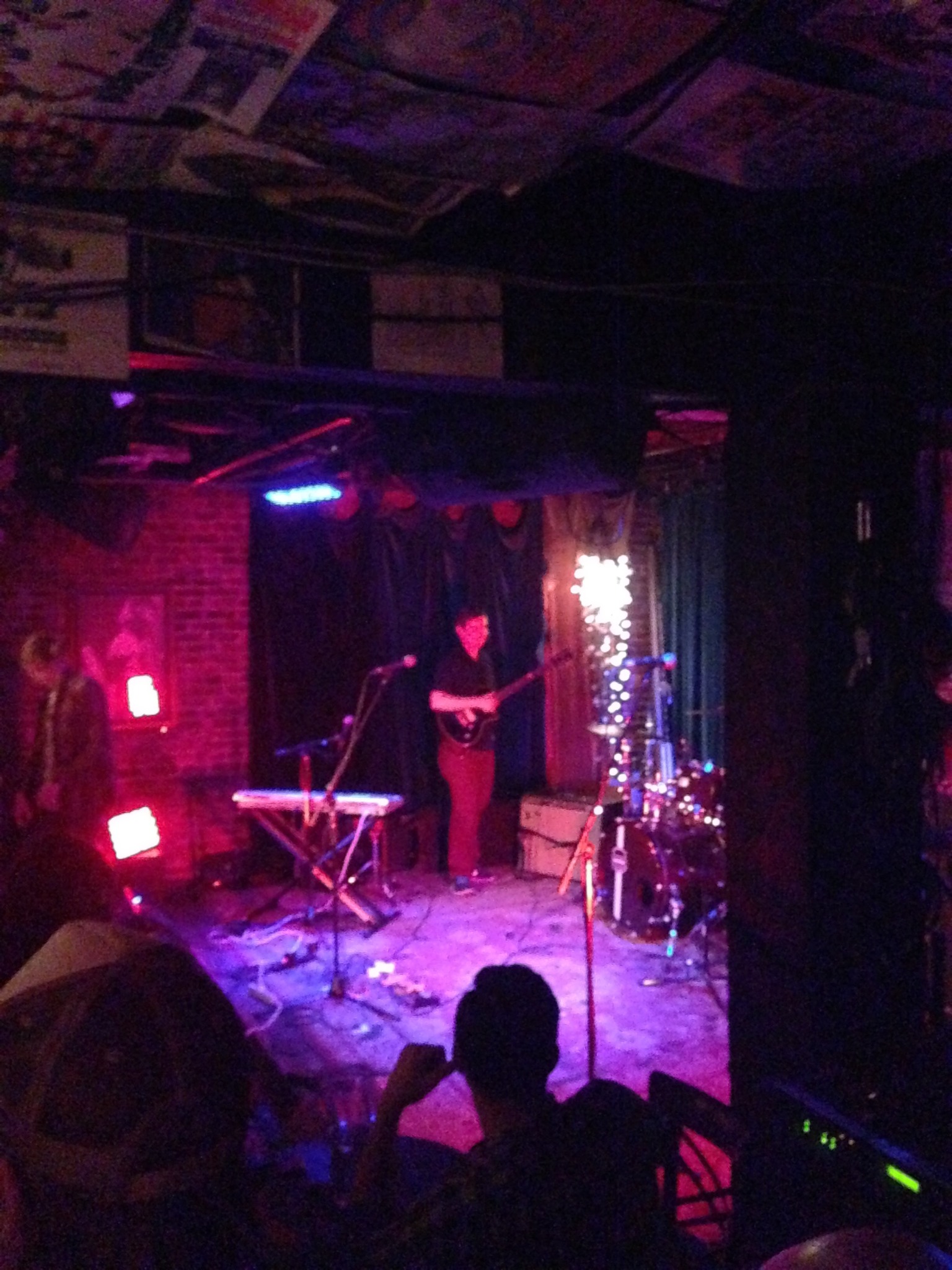
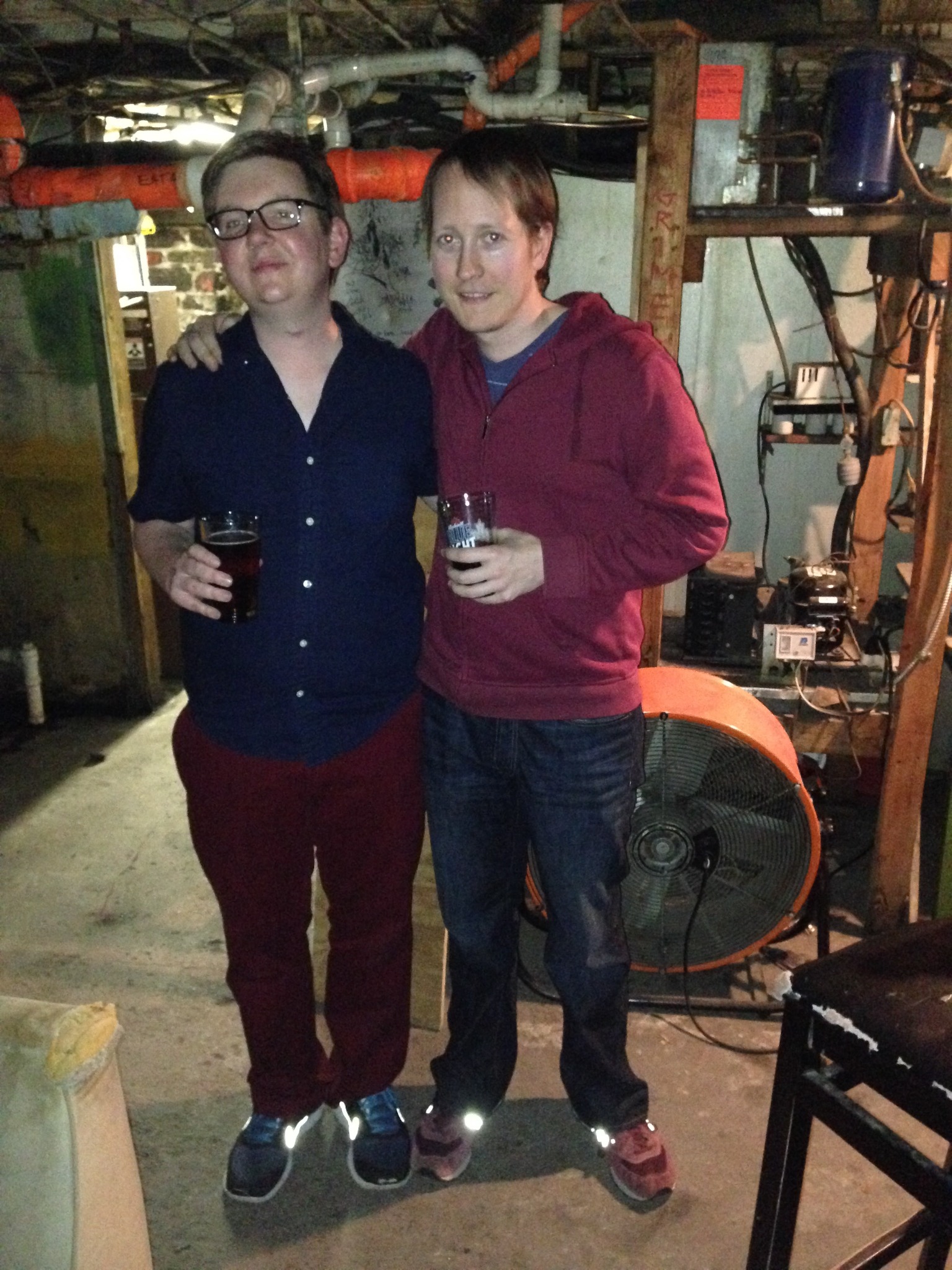
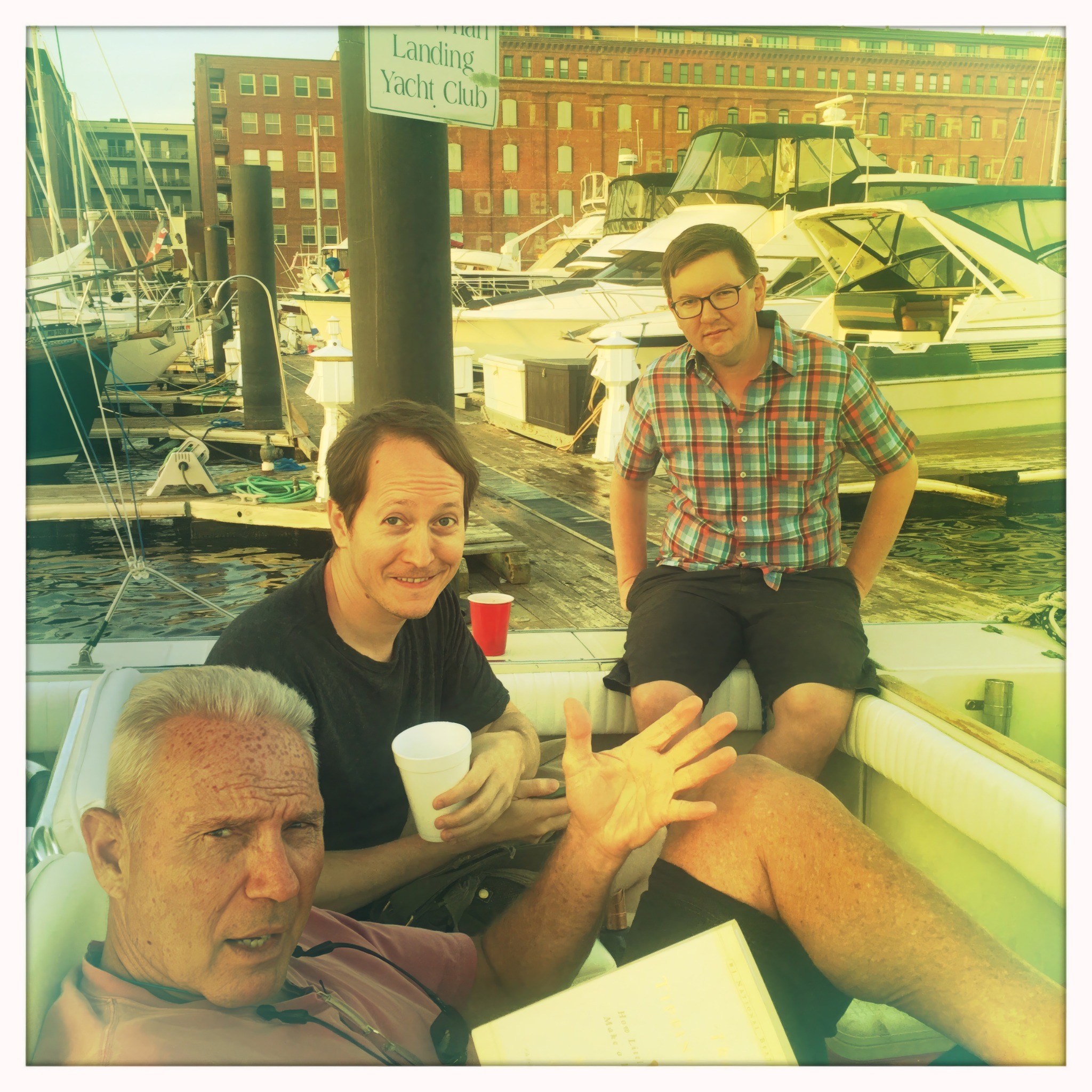
On July 14, 2017, Work Drugs arrived at Metro Gallery for another evening of music. Somewhere along the way, the band’s car was broken into and some of its equipment stolen.
For a group whose recordings suggested leisurely afternoons on the water and cocktails served under palm trees, the realities of touring occasionally proved considerably less picturesque.
There were plenty of memorable nights onstage.
Unfortunately, there were also a few memorable experiences in parking lots.
Stay smooth. Lock your doors.
CHAPTER 06 / THE PEOPLE
The Work Drugs Collective
A rotating cast of very good company
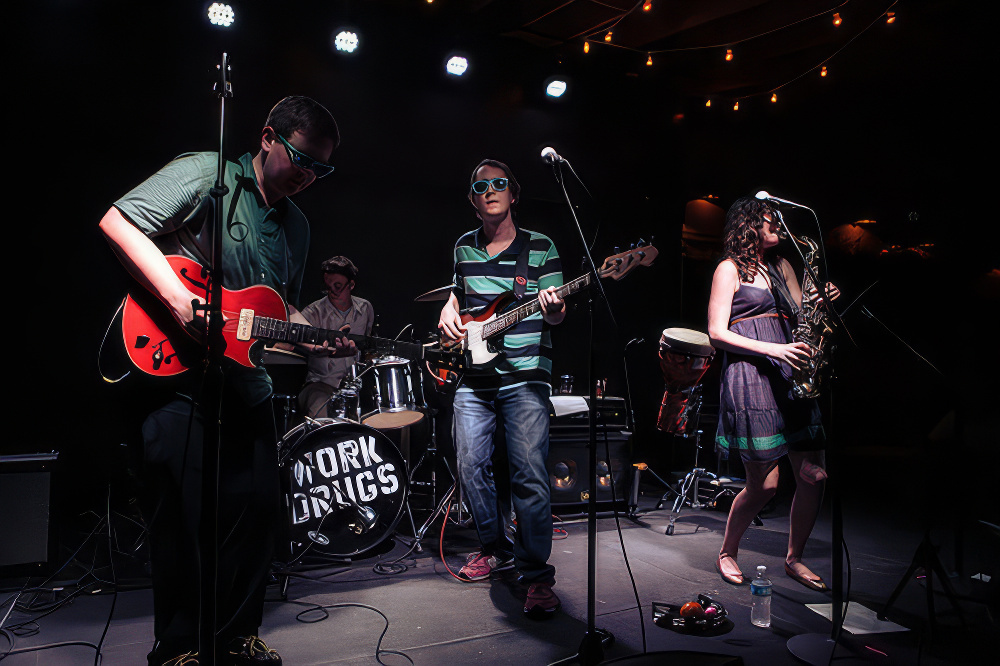
Although Thomas Crystal and Benjamin Louisiana have remained the creative foundation of Work Drugs, the project has never operated with a particularly rigid membership policy.
From the earliest touring days, the group has functioned as an extended musical collective, welcoming friends and collaborators who have brought their own talents and personalities to the recordings and live performances.
Original touring members Nero “KC” Catalano and Jonas Osterle helped transform Work Drugs from an internet recording project into an actual performing band, with Joan Wellfleet joining that first adventure.
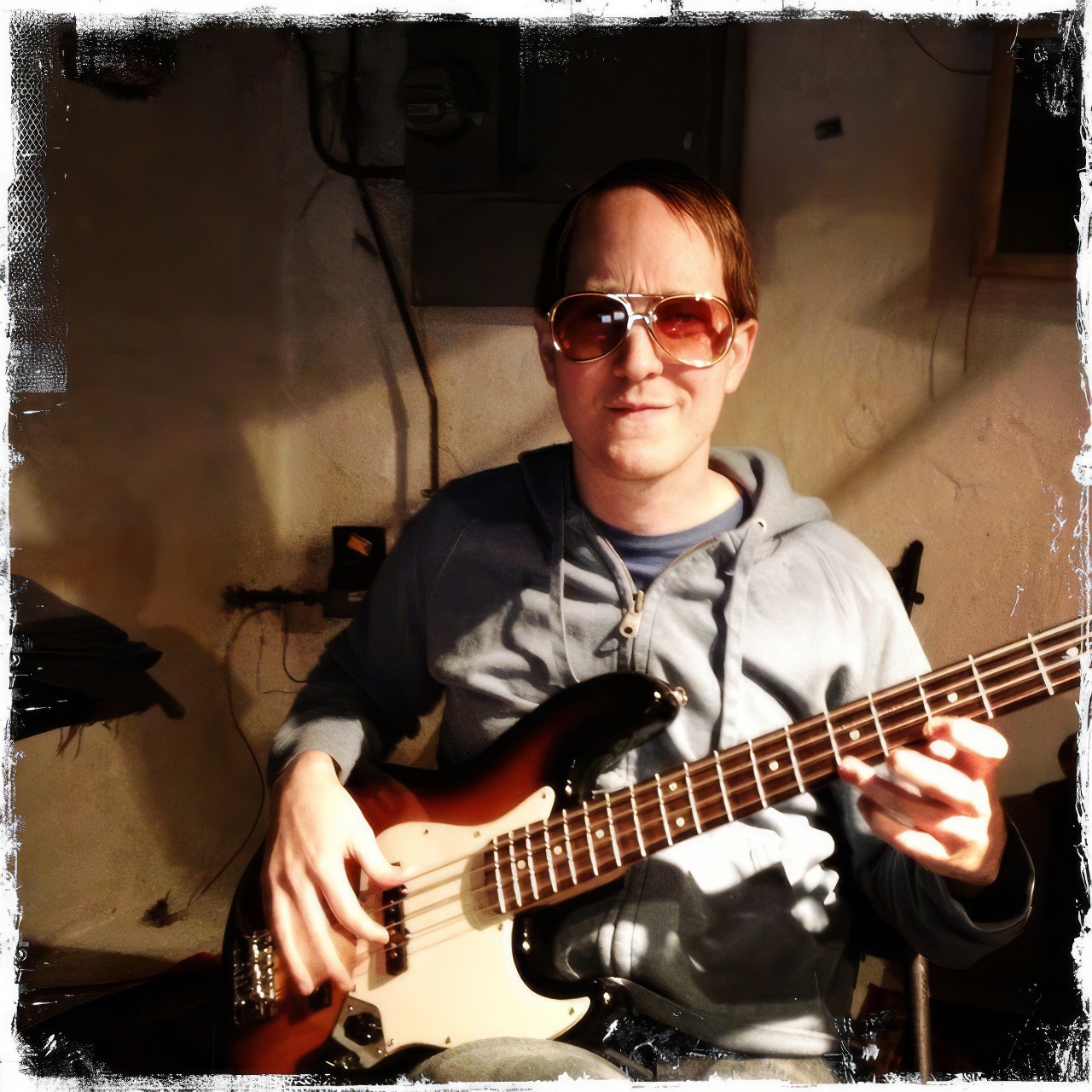
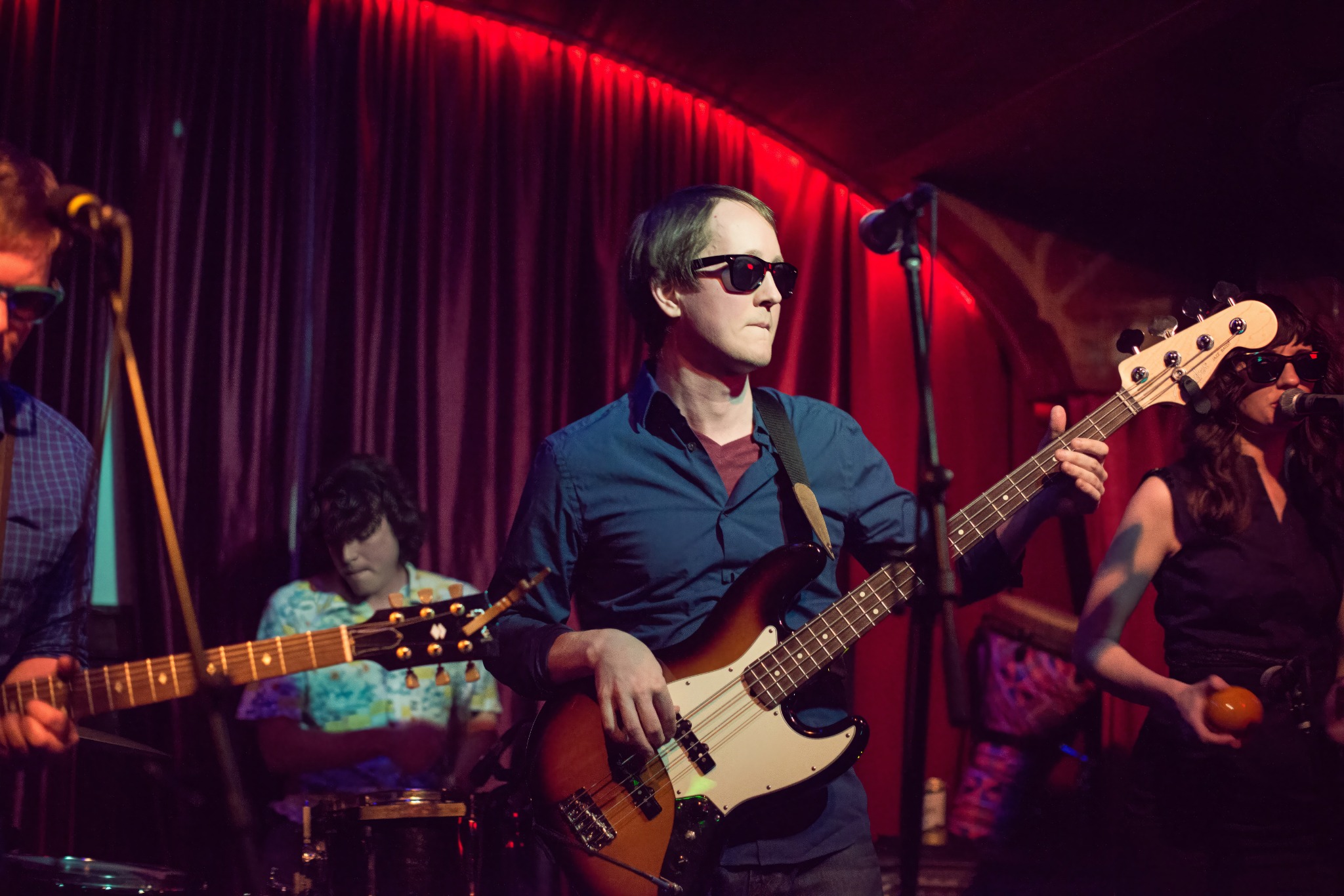
Nero’s contributions extended beyond the stage. He later spearheaded Cayman Islands Sessions, Vol. 2, taking a leading role in another chapter of the group’s ever-expanding musical catalog.
Over the years, the family continued to grow.
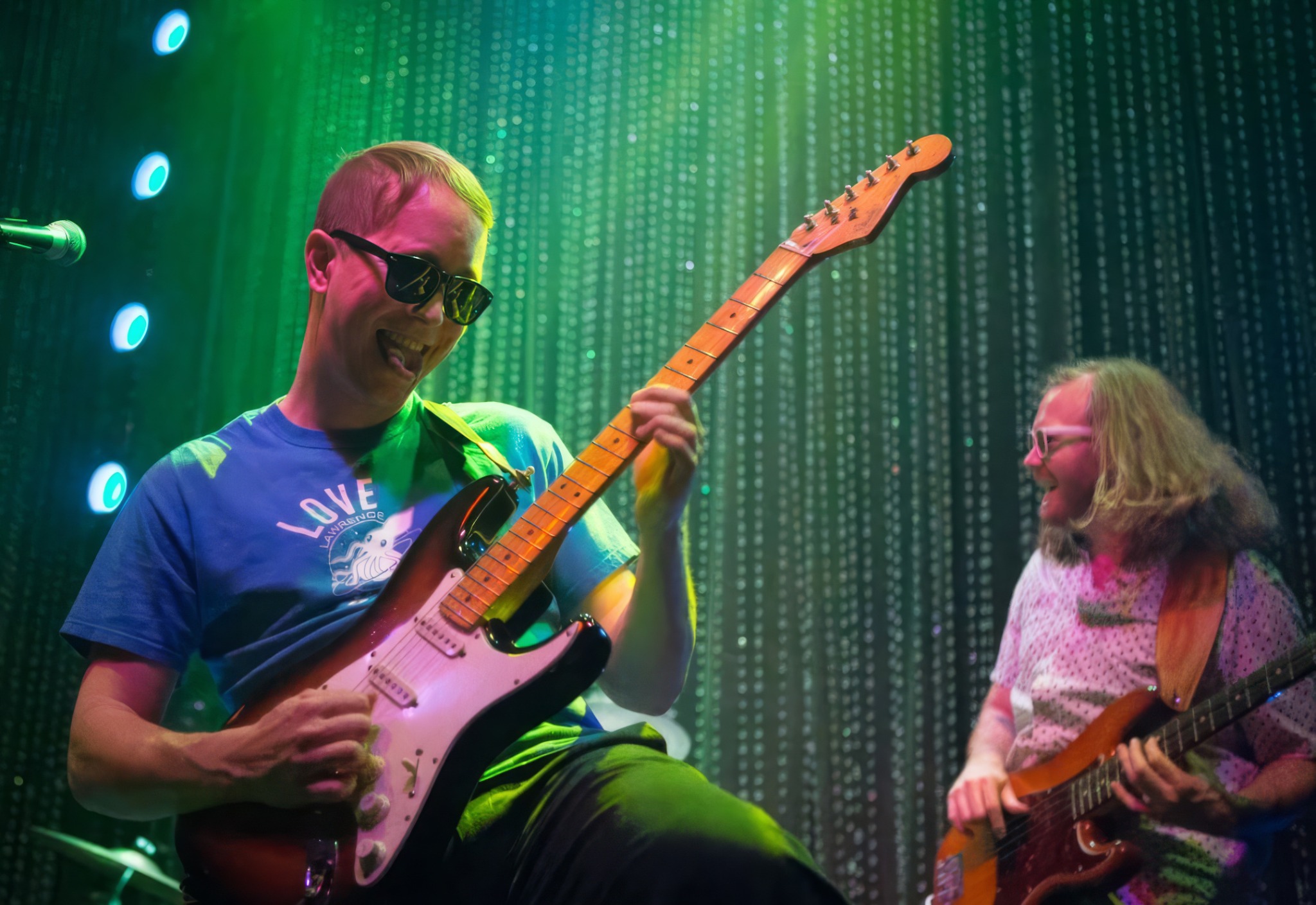
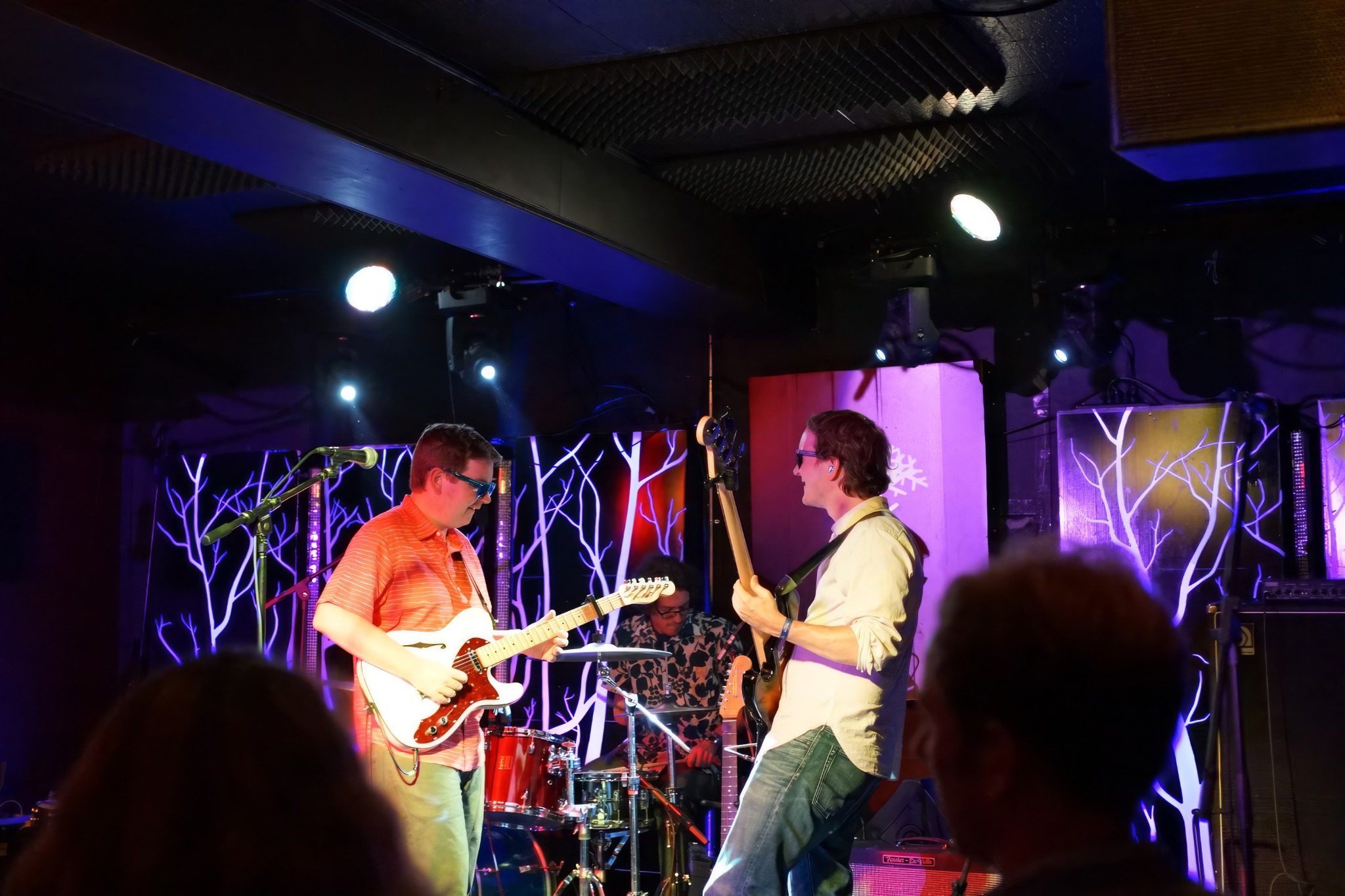
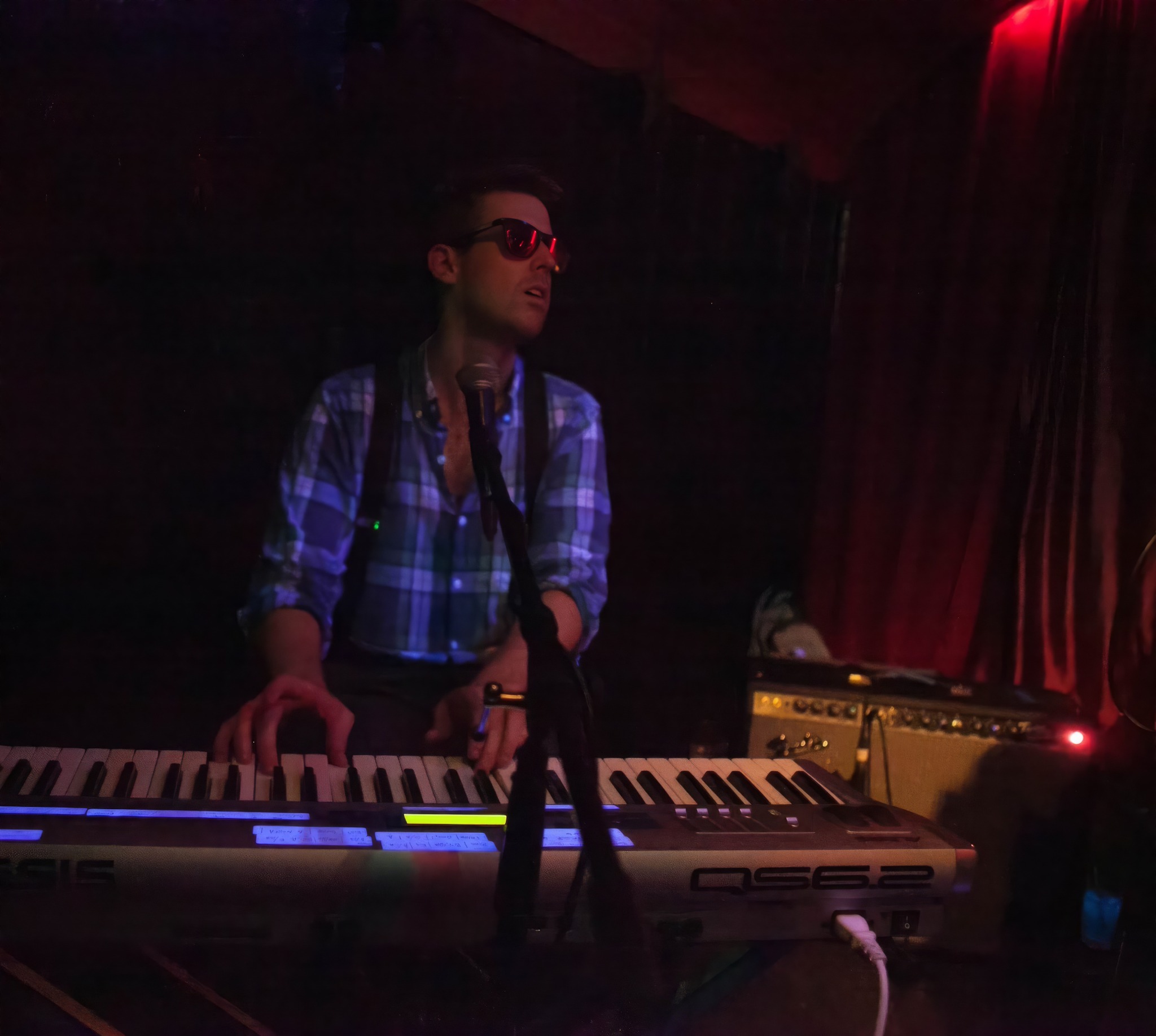
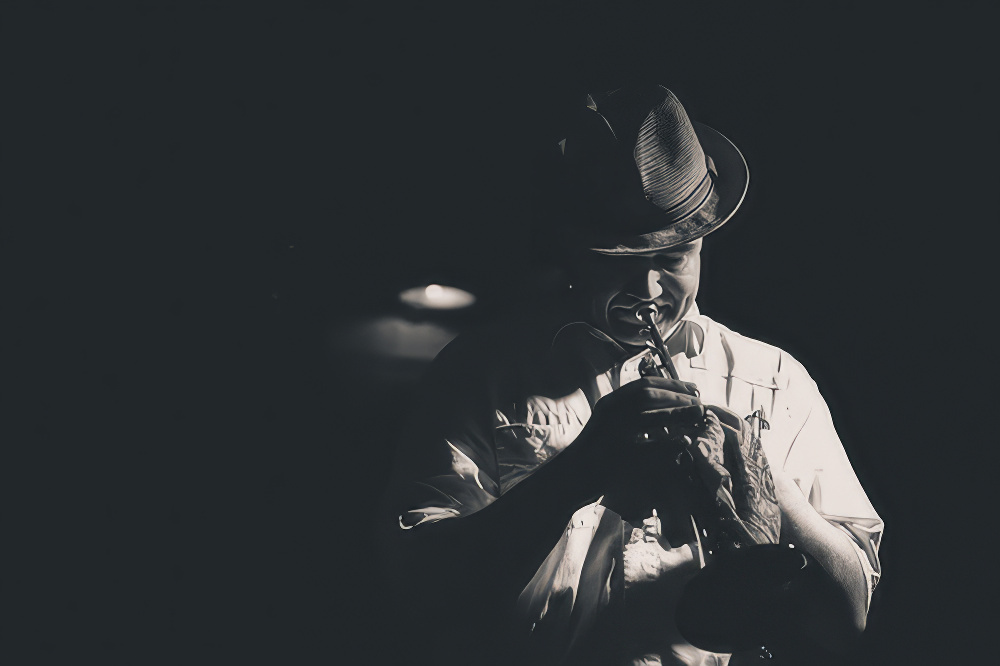
Rachel K. Haines brought her warm backing vocals to the mix, while Kate Nitz enjoyed a brief turn in the Work Drugs orbit.
Saxophonist Max Gast added another dimension to the band’s sound, confirming a long-held suspicion that almost every song can benefit from a little saxophone.
BJ Capelli stepped behind the drum kit when duty called, while Frank Vasile, a more recent convert to the Work Drugs cause, brought his talents on lead guitar.
And then there’s Dan Callahan, whose powerhouse, Mariah-worthy vocal performances became a memorable part of the band’s holiday celebrations.
The changing cast has always been part of the Work Drugs experience.
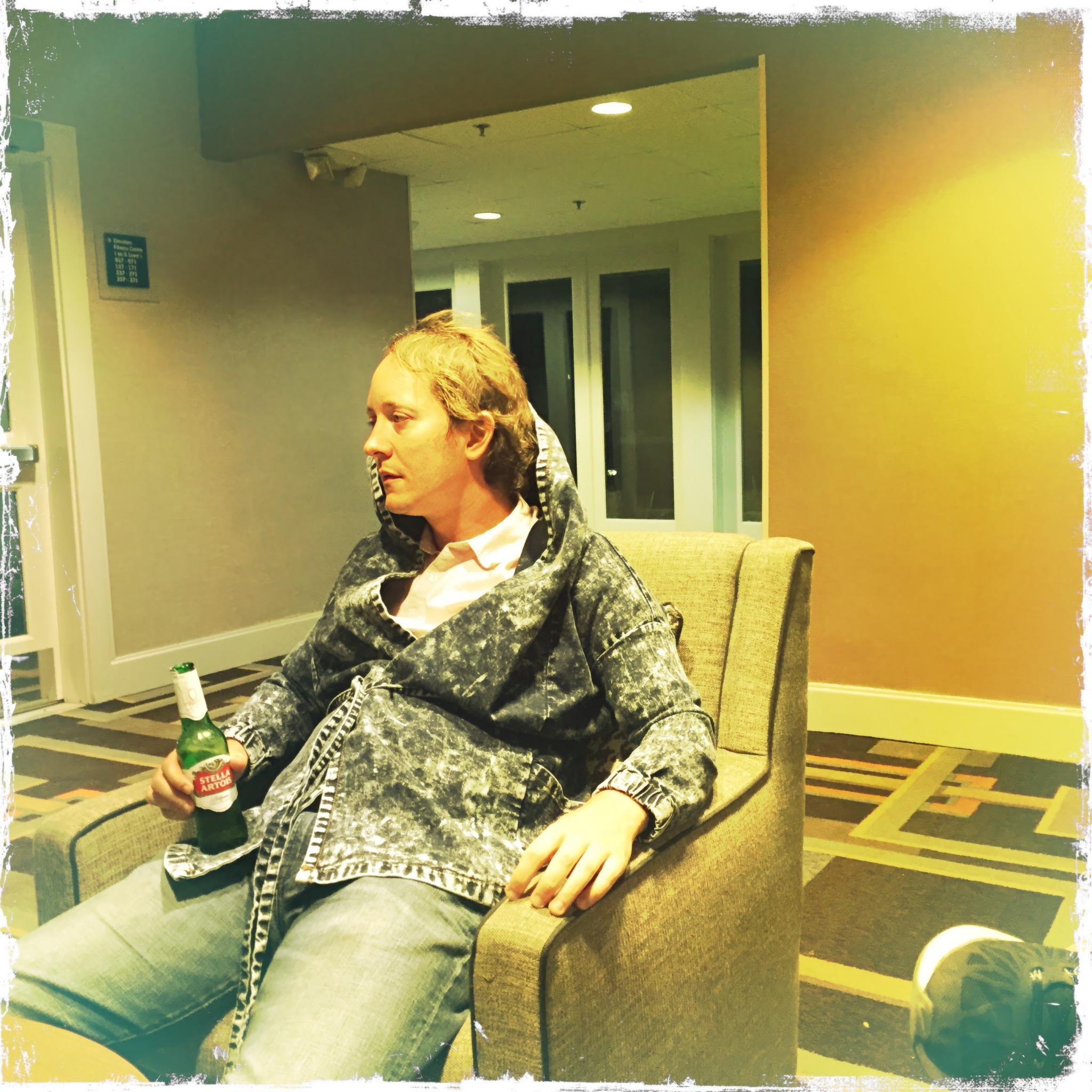
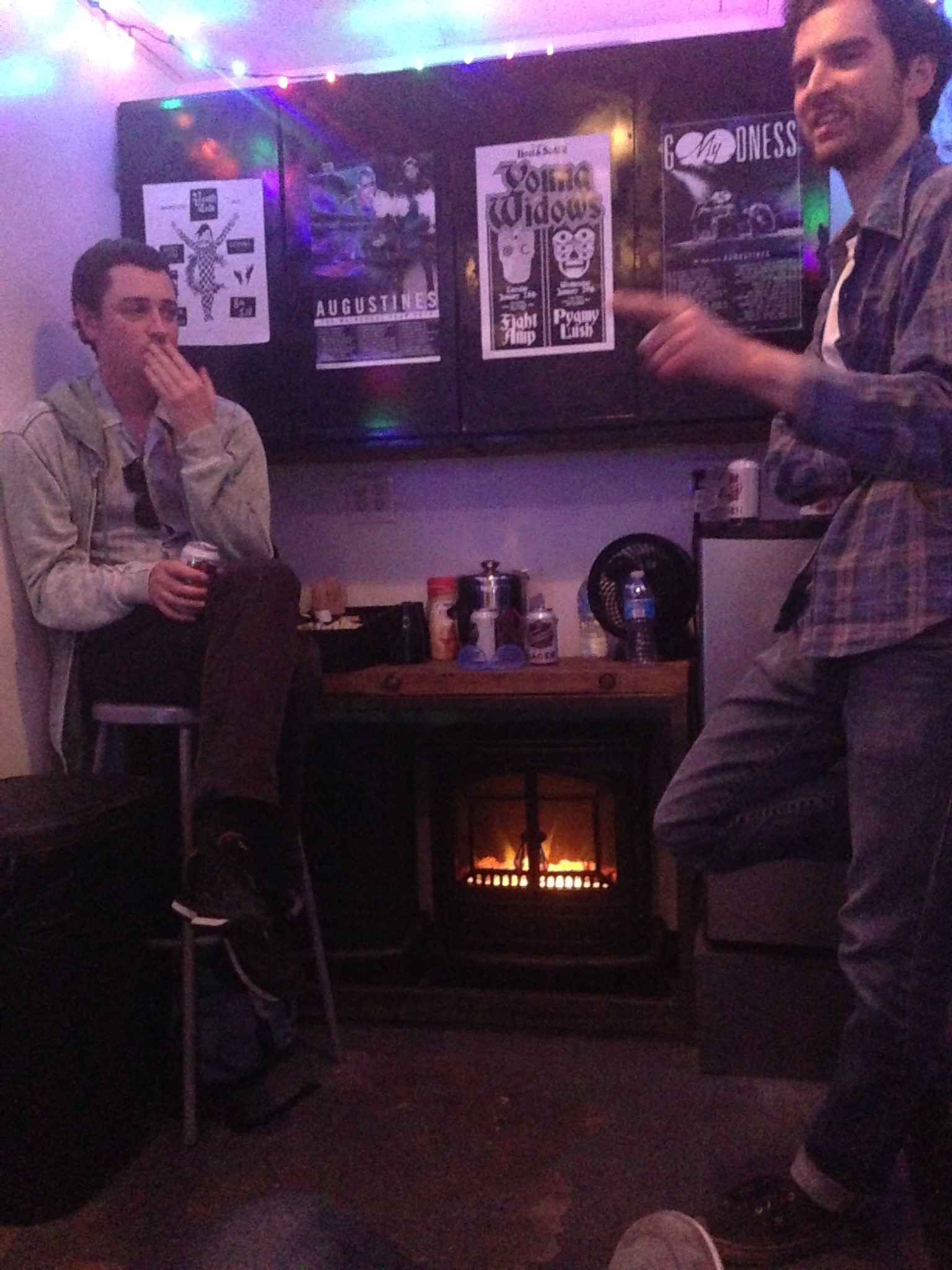
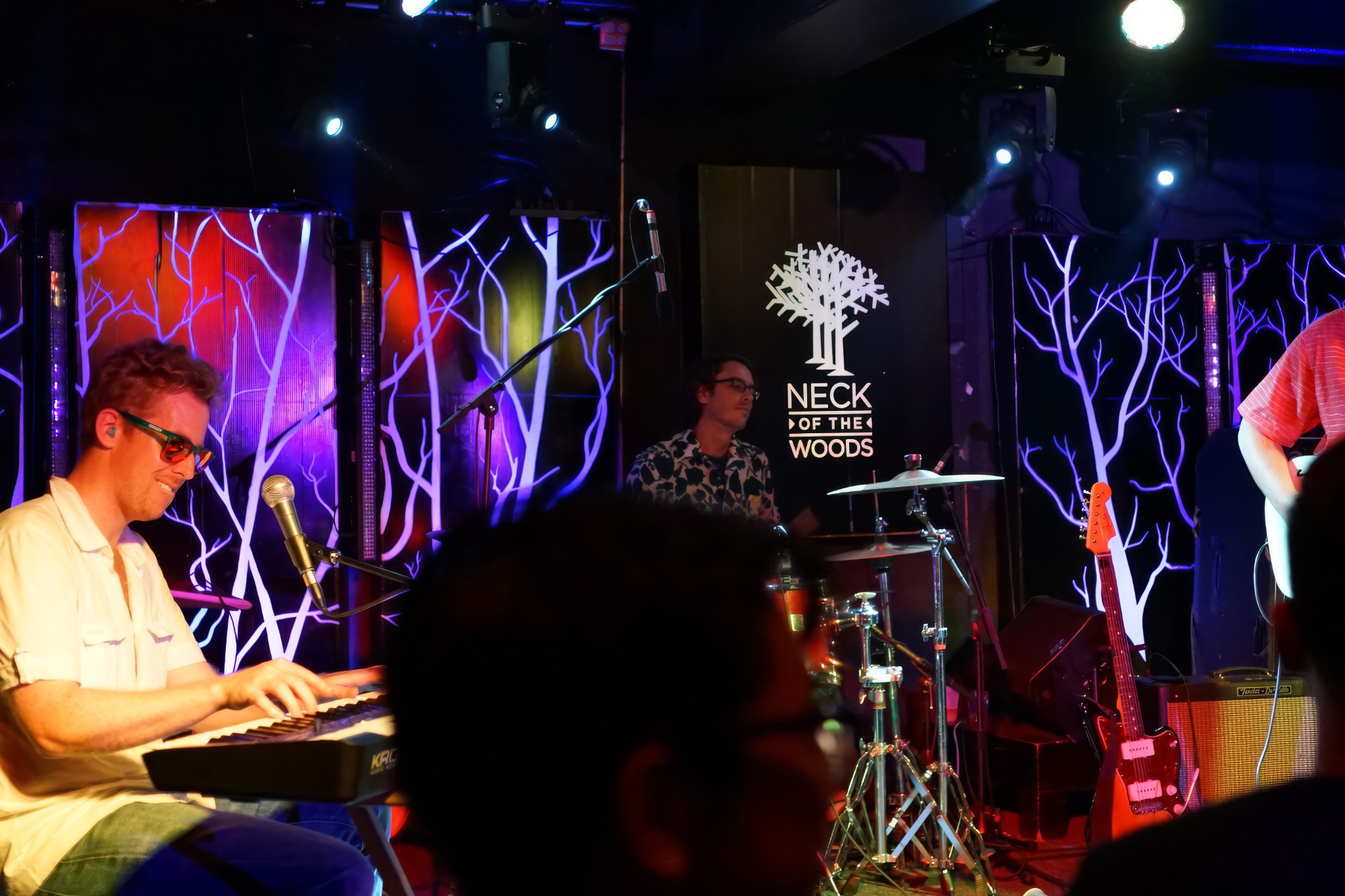
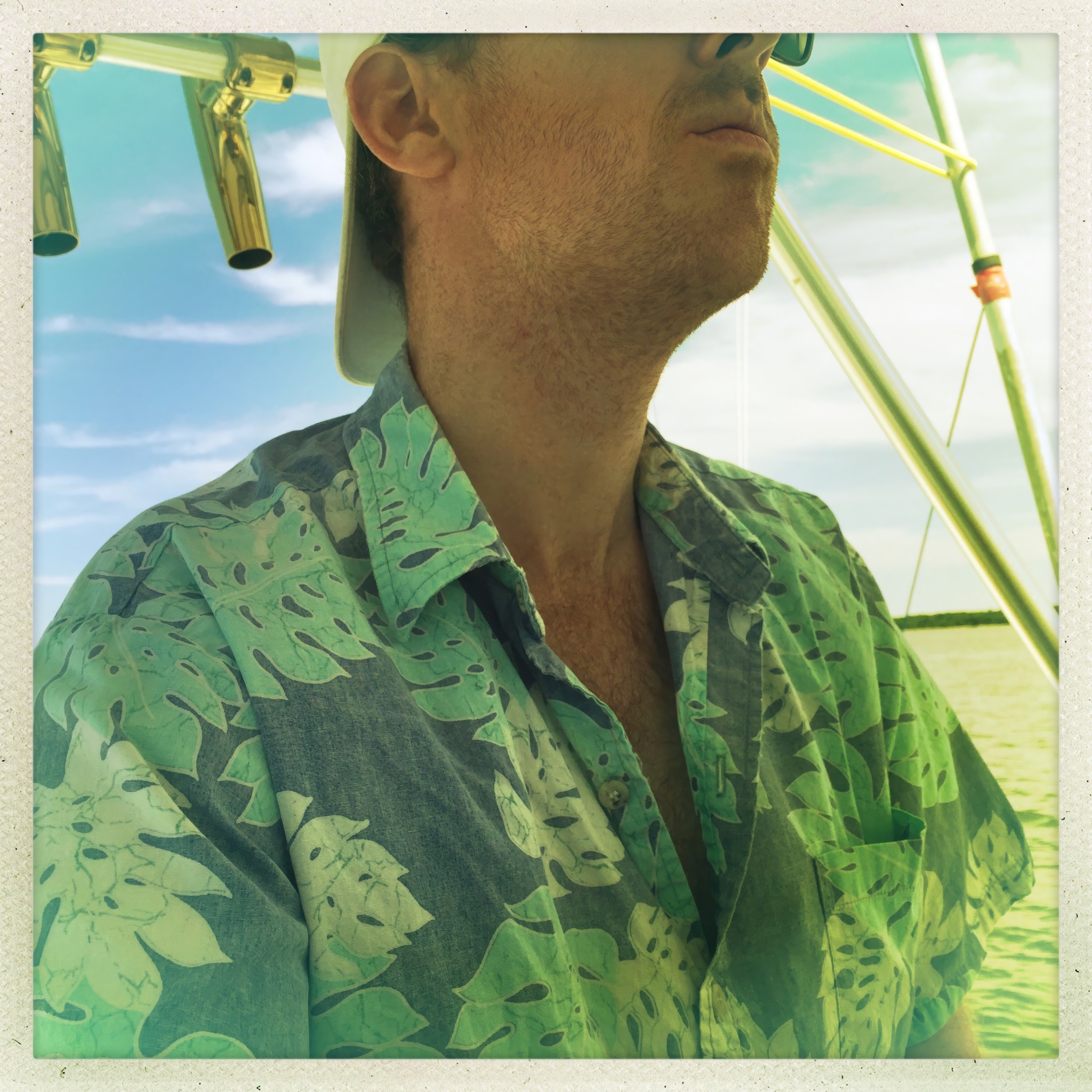
Some musicians stayed for years. Others joined for a handful of performances. Each brought something different to the songs and to the increasingly elaborate story surrounding them.
The philosophy was never particularly complicated.
Good musicians. Good friends. Good songs.
And preferably someone who knows the changes.
CHAPTER 07 / HOLIDAY SPECTACLE
A Very Work Drugs Christmas
A Christmas tradition gets out of hand
Long before Work Drugs existed, there was a little holiday gathering at Murph’s Bar in Philadelphia.
It wasn’t called the Holiday Spectacle yet, but the blueprint was already there.
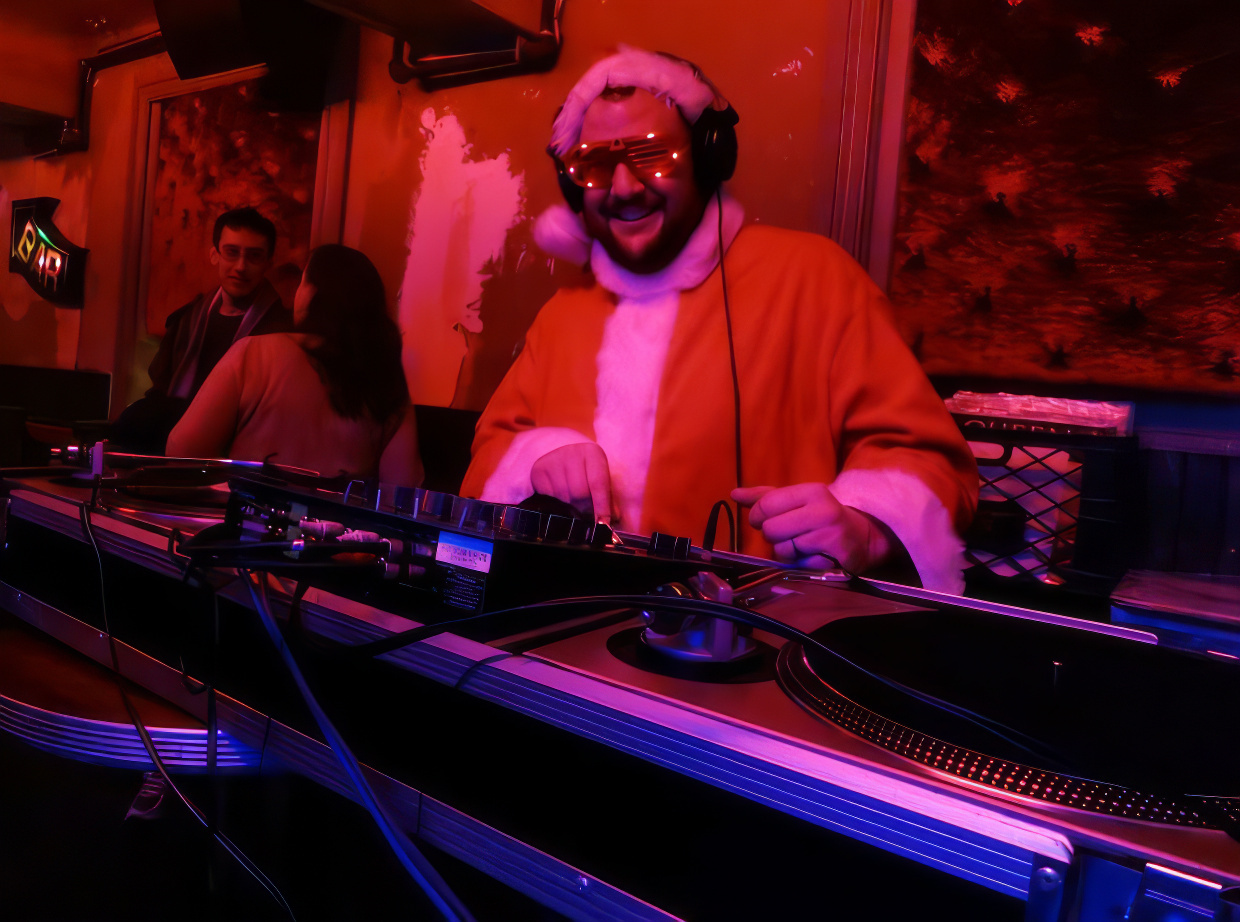
The venues got bigger. The music got smoother. Santa learned how to DJ.
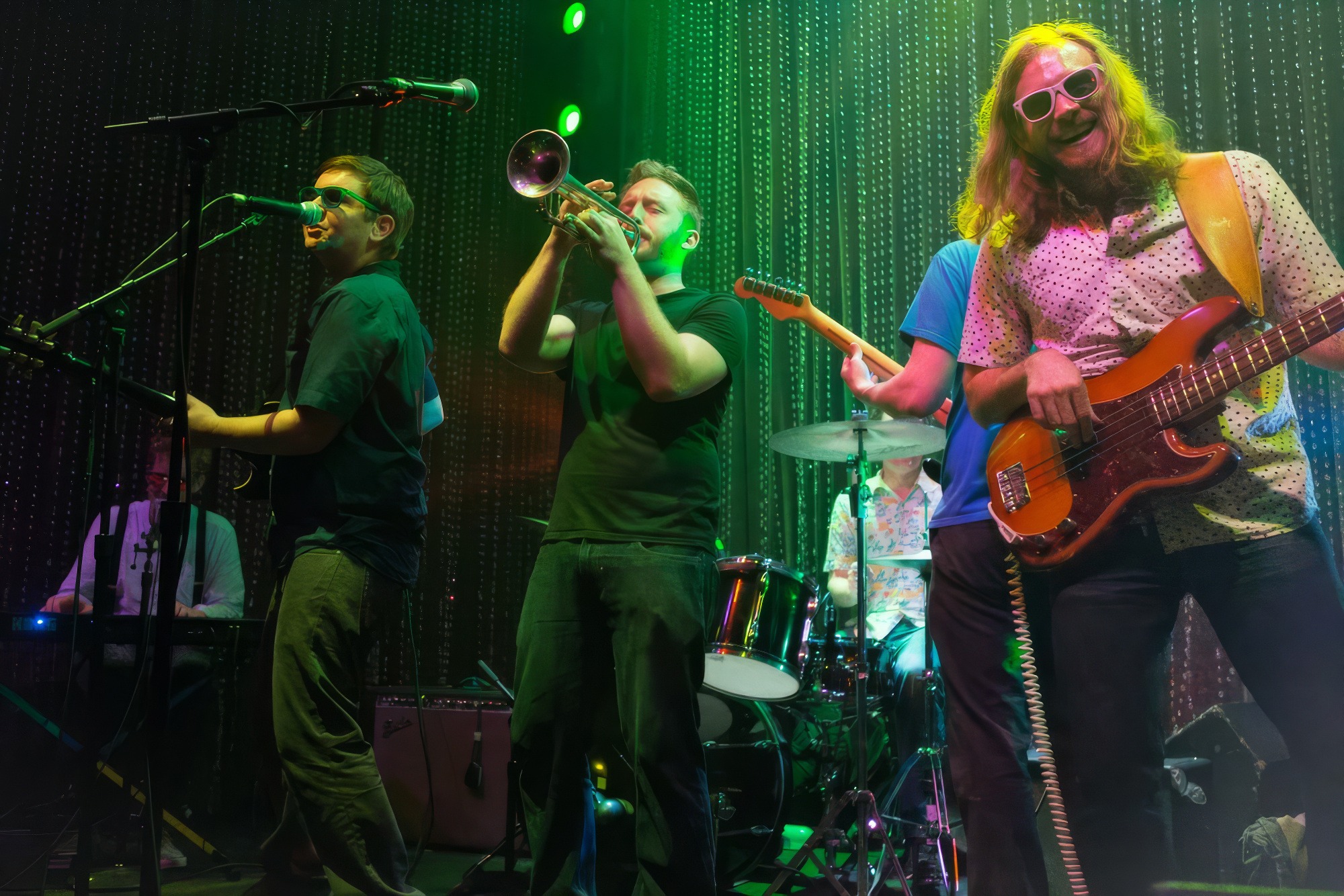
A collection of friends and musicians would get together, each group performing its own original material while contributing one Christmas song to the evening’s collective setlist.
It was a simple arrangement: friends, original music, a little seasonal cheer, and absolutely no pressure to take any of it too seriously.
There was also the matter of the beer.
Tröegs Mad Elf flowed freely in those early years, back when most of the participants hadn’t quite grasped what its rather ambitious alcohol content meant for the remainder of the evening.
Lessons were learned.
Some more slowly than others.
A few years later, with Work Drugs finding its footing, the informal gathering evolved into something considerably bigger.
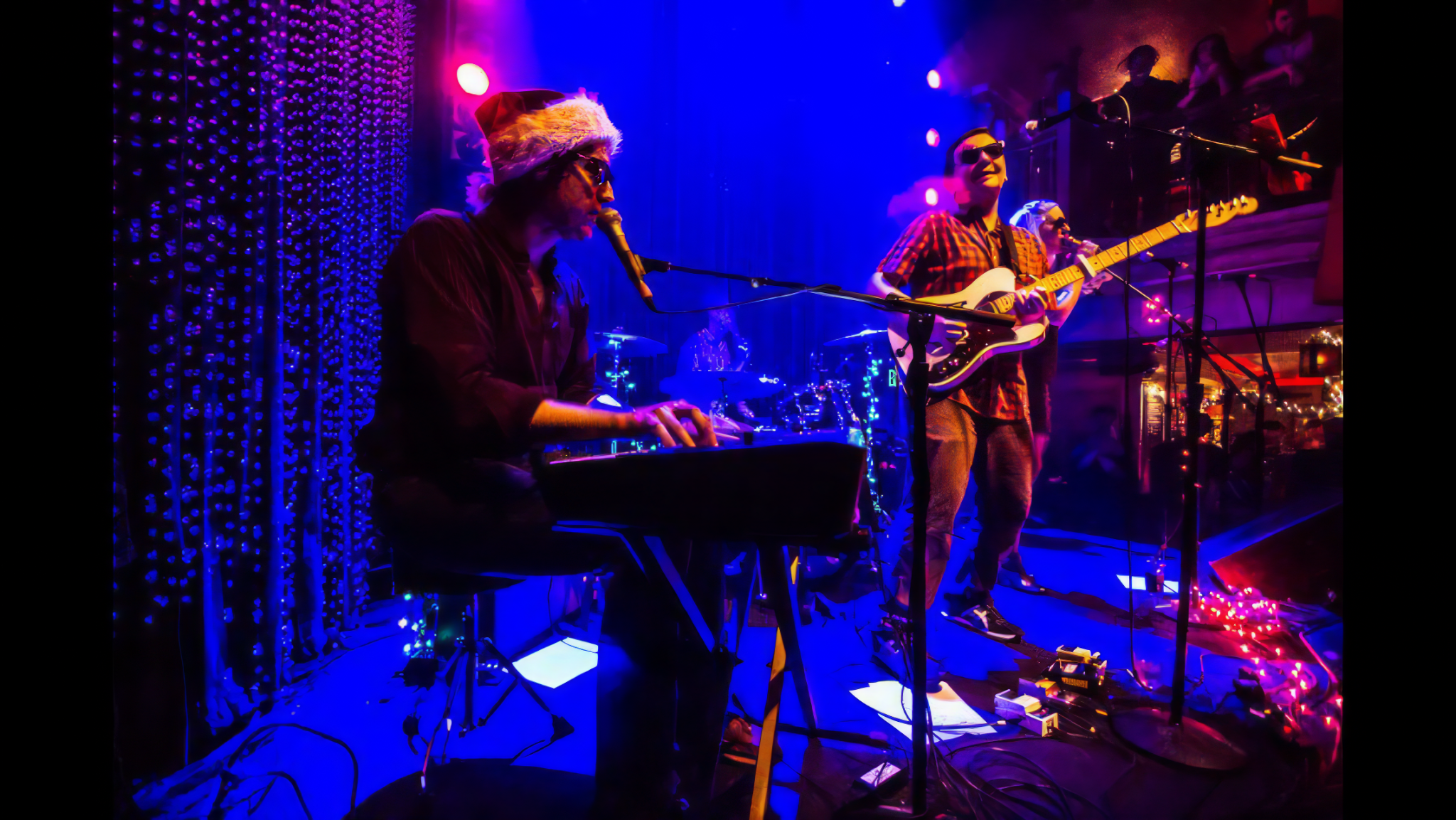
The band began headlining Johnny Brenda’s, transforming the original concept into a full-fledged holiday concert featuring the signature Work Drugs sound alongside seasonal songs and the occasional unexpected musical detour.
The Work Drugs Holiday Spectacle was born.
And no early Spectacle would have been complete without longtime friend Dan Hewitt.
Having previously served as the band’s tour driver and occasional ambassador to disgruntled venue security, Dan assumed a somewhat different role at the first few Holiday Spectacles.
Santa Claus.
Following the band’s performance, Dan would take over the DJ booth, keeping the party going long after the last notes had faded.
It was a natural career progression.
Over the years, the Holiday Spectacle traveled through some of Philadelphia’s most beloved independent venues, including Boot & Saddle, Ortlieb’s, World Cafe Live, and numerous returns to Johnny Brenda’s.
The shows became a seasonal homecoming for the extended Work Drugs family, bringing together longtime fans, friends, and fellow musicians for an evening of music, nostalgia, and occasionally excessive holiday enthusiasm.
Guest performers came and went, Dan Callahan occasionally threatened the structural integrity of the room with his Mariah-inspired vocals, and the repertoire continued to expand.
But the underlying spirit remained surprisingly close to those original nights at Murph’s.
Bring your friends. Play some music. Add a little Christmas cheer. See where the evening takes you.
The venues got bigger. The music got smoother. Santa learned how to DJ. The Mad Elf remained a formidable opponent.
CHAPTER 08 / 2019
The Swiss Connection (2019)
The Swiss connection
Around 2019, Work Drugs entered a new chapter when Thomas Crystal relocated to Switzerland.
For a band so closely associated with Philadelphia, the move introduced a considerable amount of geography into the equation.
But distance didn’t mean the end of Work Drugs.
Thomas continued flying back to the United States for occasional performances, allowing the group to maintain its live presence despite the increasingly international logistics.
In some ways, the arrangement reflected the band’s origins.
Work Drugs had started as a recording project before becoming a touring band. The music had always been the central idea, and the practical details could be worked out afterward.
Even when those details involved an international flight.
The recordings continued, and the musical vocabulary expanded, incorporating elements of city pop, sophisticated R&B, atmospheric soft rock, and increasingly adventurous production.
By this point, Work Drugs had built an extensive catalog and a musical identity that could accommodate almost any interesting detour.
The band had come a long way from two friends posting songs online.
One of them now just happened to live considerably farther away.
CHAPTER 09 / 2020
The End of Days Tour (2020)
One show. Days of rain. End of days.
In March 2020, Work Drugs boarded a flight to Los Angeles for what was supposed to be another West Coast tour.
The itinerary included dates up and down the California coast, promising familiar pleasures: sunny skies, palm trees, Pacific Coast highways, and several evenings of smooth-fi for the good people of California.
One show. An entire tour canceled. Days of rain.
Things didn’t quite work out that way.
Upon landing at LAX, the band learned that the NBA had suspended its season in response to the rapidly developing COVID-19 crisis.
It was an unsettling announcement, and a pretty clear indication that something considerably bigger was unfolding.
Still, the shows were booked, the band had flown across the country, and nobody quite understood what was about to happen.
So Work Drugs pressed on.
On March 12, the group performed at Soda Bar in San Diego.
It would turn out to be the only show of the tour.
By the following day, the world had seemingly come to a standstill. Venues were closing, gatherings were being canceled, and every remaining date disappeared from the calendar.
The West Coast tour had become a one-night engagement.
Adding insult to injury, Southern California was experiencing days of relentless rain, turning the band’s anticipated coastal adventure into something resembling a particularly depressing European art film.
There were no leisurely afternoons by the Pacific, no scenic drives between performances, and very little evidence of the California sunshine that had inspired so much of the band’s music.
Instead, Work Drugs found themselves on the wrong coast, watching the beginning of an unprecedented global shutdown.
Looking back, the ill-fated adventure became affectionately known as “The End of Days Tour.”
One show. An entire tour canceled. Days of rain.
For a band devoted to making music that sounded like an endless summer, the timing was almost impressively unfortunate.
CHAPTER 10 / 2021 — PRESENT
Still Smooth (2021–Present)
Still smooth, somehow
As the world gradually returned to something resembling normal, Work Drugs continued doing what it had always done: making records.
The ensuing years brought further musical exploration, with albums including Pride and Competition, Some You Leave Out, Dreams Rules Desire, Post Modern Expression, What You Won’t Do for Love, and Another Lost Remark.
The musical influences continued to wander.
City pop, chillwave, blue-eyed soul, synth-pop, quiet storm, West Coast soft rock, and the occasional unexpected excursion all found their way into the band’s recordings.
A collaboration with Japanese dream-pop outfit Pictured Resort reflected the international connections that had developed around Work Drugs’ melodic, nostalgic sound.
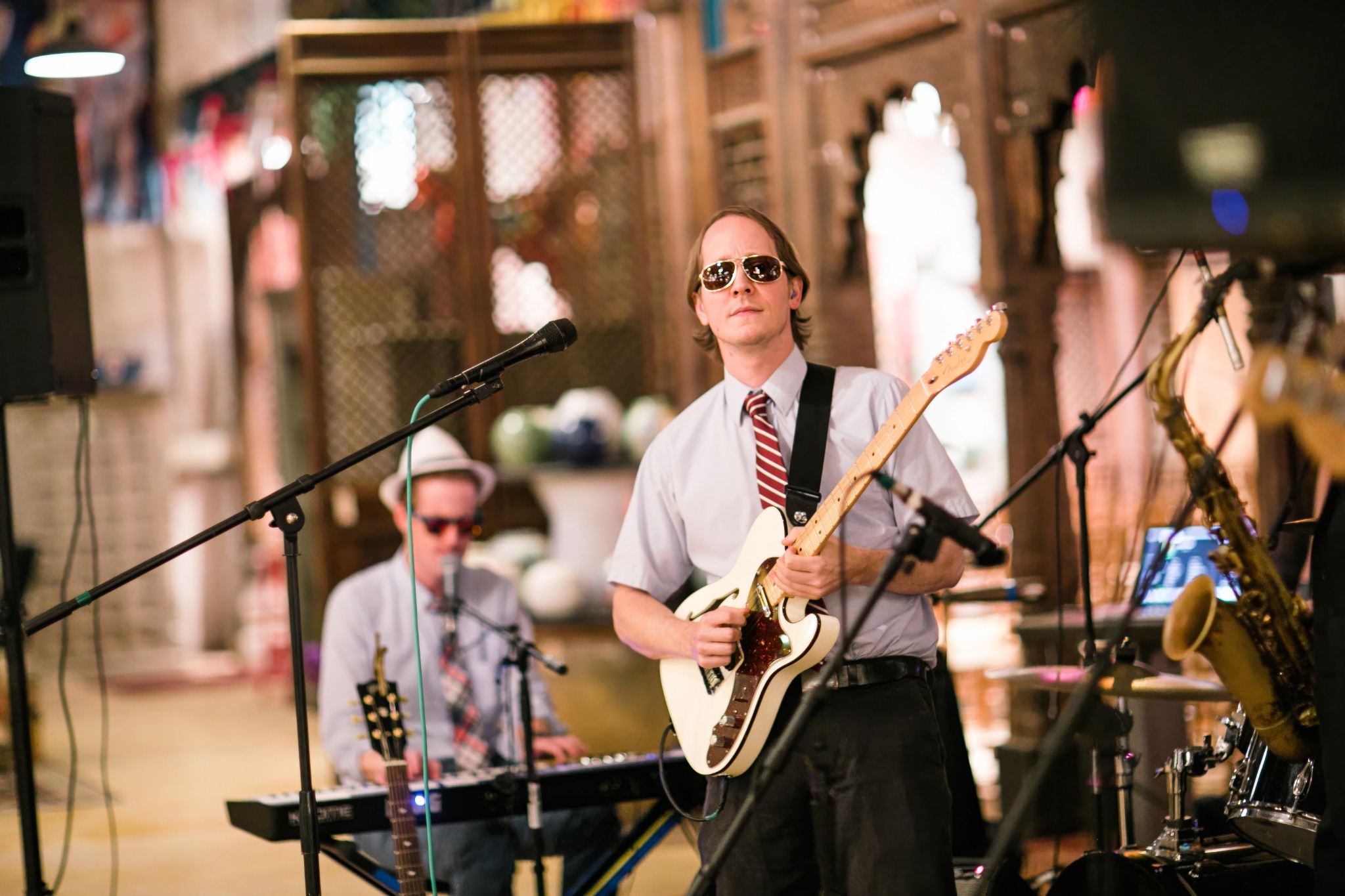
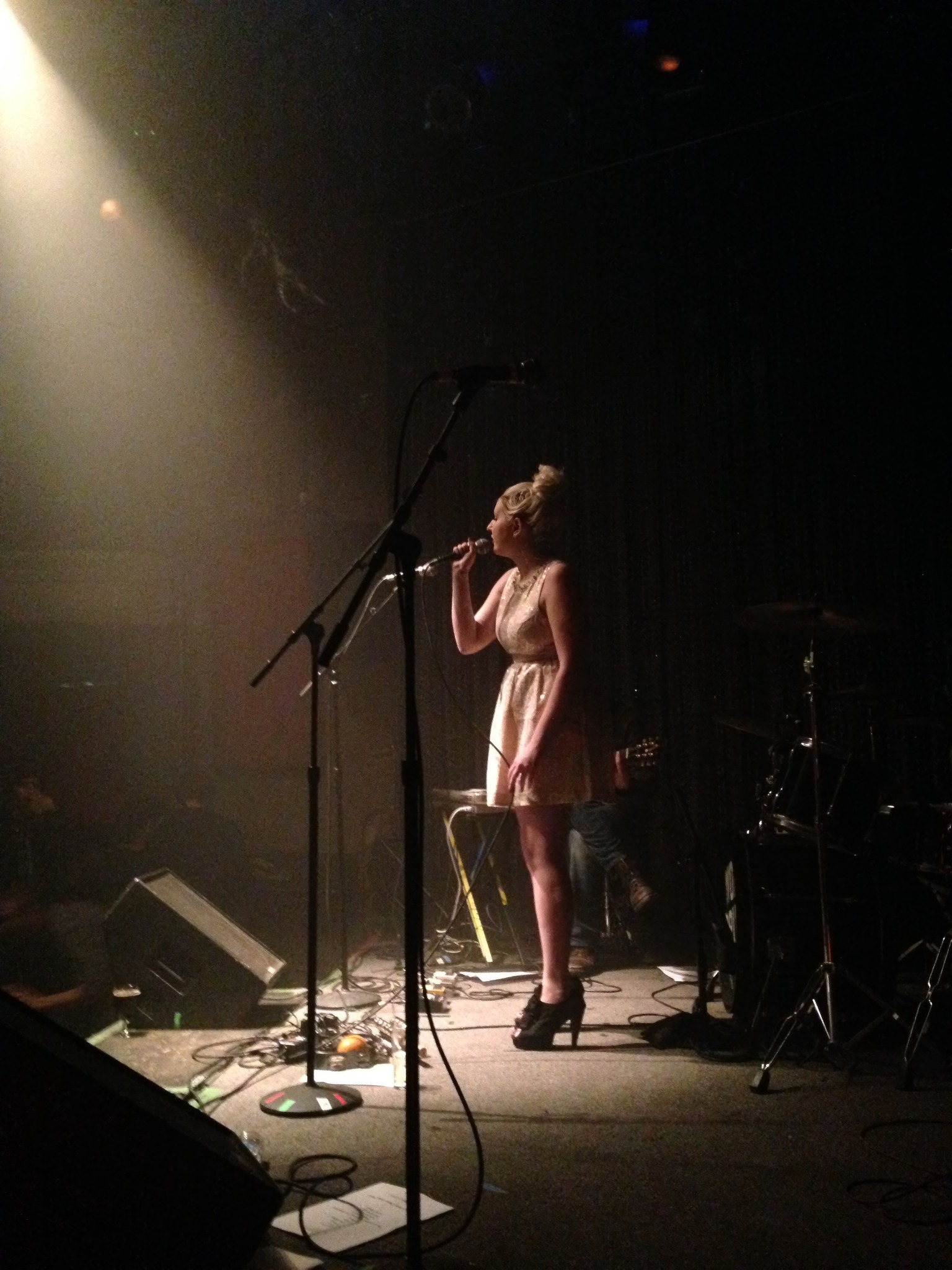
Meanwhile, the band continued returning to the stage, particularly around Philadelphia and the East Coast, where familiar songs and familiar faces remained an important part of the story.
The Holiday Spectacle endured.
The musical collective evolved.
The catalog kept growing.
And although the band had accumulated an impressive collection of tours, international adventures, venue disputes, and questionable travel decisions, the underlying creative philosophy remained remarkably unchanged.
Make the music you want to hear.
Find some good people to play it with.
Don’t worry too much about what to call it.
EPILOGUE
Epilogue: A Continuing Experiment in Smooth
The story continues
Looking back, the Work Drugs story is a rather unlikely one.
Two friends posted some songs on the internet in 2010.
A British band heard them and offered a North American tour.
They scrambled to assemble a live lineup, learned how to perform their own recordings, and threw Madonna’s “Borderline” into the set because they didn’t have enough original songs.
Influential radio stations started playing the music. International press followed.
There were memorable evenings with The B-52s and Kings of Convenience, tours with Umphrey’s McGee, performances in the clubs of early Williamsburg, and a festival appearance in Sweden.
There was a marquee that read “Drugs Work,” a stolen vanload’s worth of ambition—if not quite that much equipment—in Baltimore, an ill-fated tour at the beginning of a global pandemic, and a remarkably persistent tradition involving Christmas songs and very strong beer.
There was also Dan Hewitt, who somehow managed to become a recurring character in virtually every chapter without ever officially joining the band.
Through it all, Thomas Crystal and Benjamin Louisiana kept making music.
What began as a modest recording experiment became an extensive catalog, a collection of friendships, and a musical identity that never quite fit comfortably into any particular genre.
Beneath the sun-drenched melodies and nautical imagery, there has always been something a little more complicated: a touch of romance, a little melancholy, and the bittersweet business of growing older without necessarily growing up.
Perhaps that’s what smooth-fi was supposed to mean all along.
The geography may change. The musical influences may wander. The lineup may occasionally require a substitute drummer or an international plane ticket.
But the philosophy remains remarkably consistent.
Good grooves. Good company. No particular hurry.
Music for boating, sexting, dancing, yachting, and living.
Stay smooth.

